
Presented by the Ministry of Culture

Project: Embalagem e Design Uma História Mundo Afora 3

PRONAC: 2315260

ISBN: 978-65-85141-04-8 · 2026 bilingual edition

PACKAGING AROUND THE WORLD 3

ABOUT THE BOOK

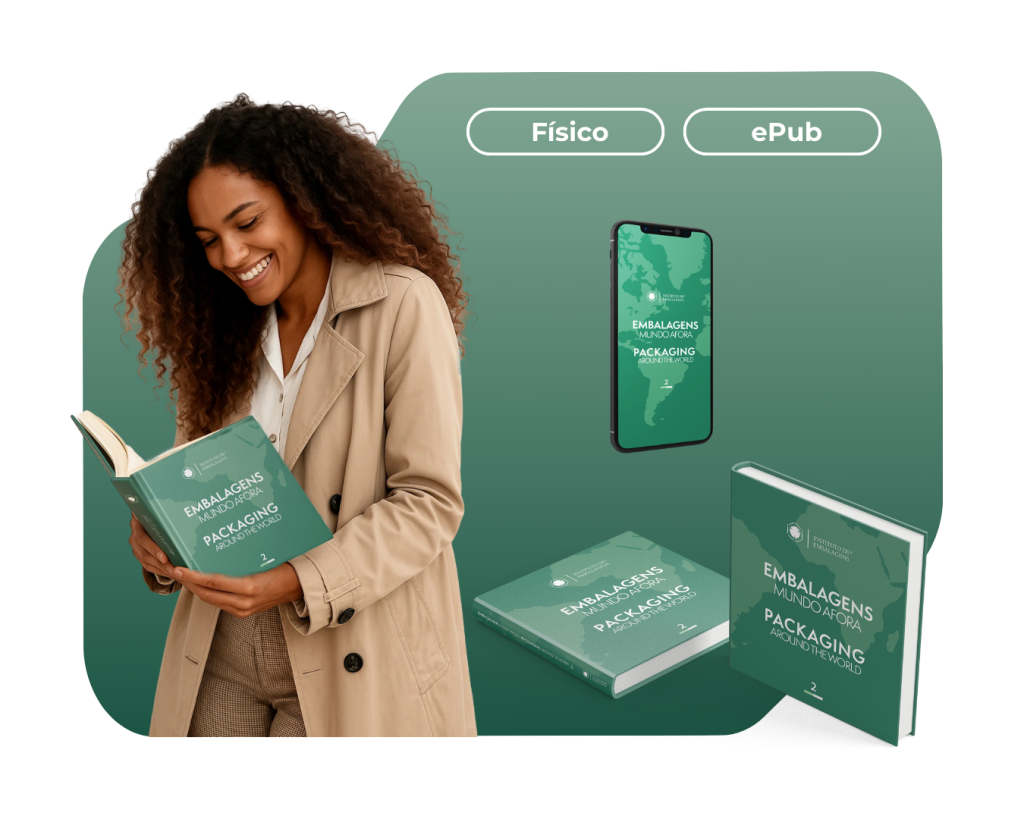
What can a beer label, a tea tin or a coffee pack tell us about where it comes from? In the third volume of Packaging Around the World, Assunta Napolitano Camilo looks at how colors, lettering, illustrations, materials and shapes reflect the customs of the people who make and use packaging.

This bilingual edition travels through Brazil’s five regions and seven Asian countries: Cambodia, South Korea, Japan, Malaysia, Singapore, Thailand and Vietnam. From cans celebrating the Parintins Festival to Vietnamese chocolate packs inspired by Hội An, the book shows how packaging brings local traditions into everyday life.

Assunta Napolitano Camilo – Director of FuturePack

BRAZIL | Southeast

"From Portinari’s paintings to the tiles of Rio’s bars"

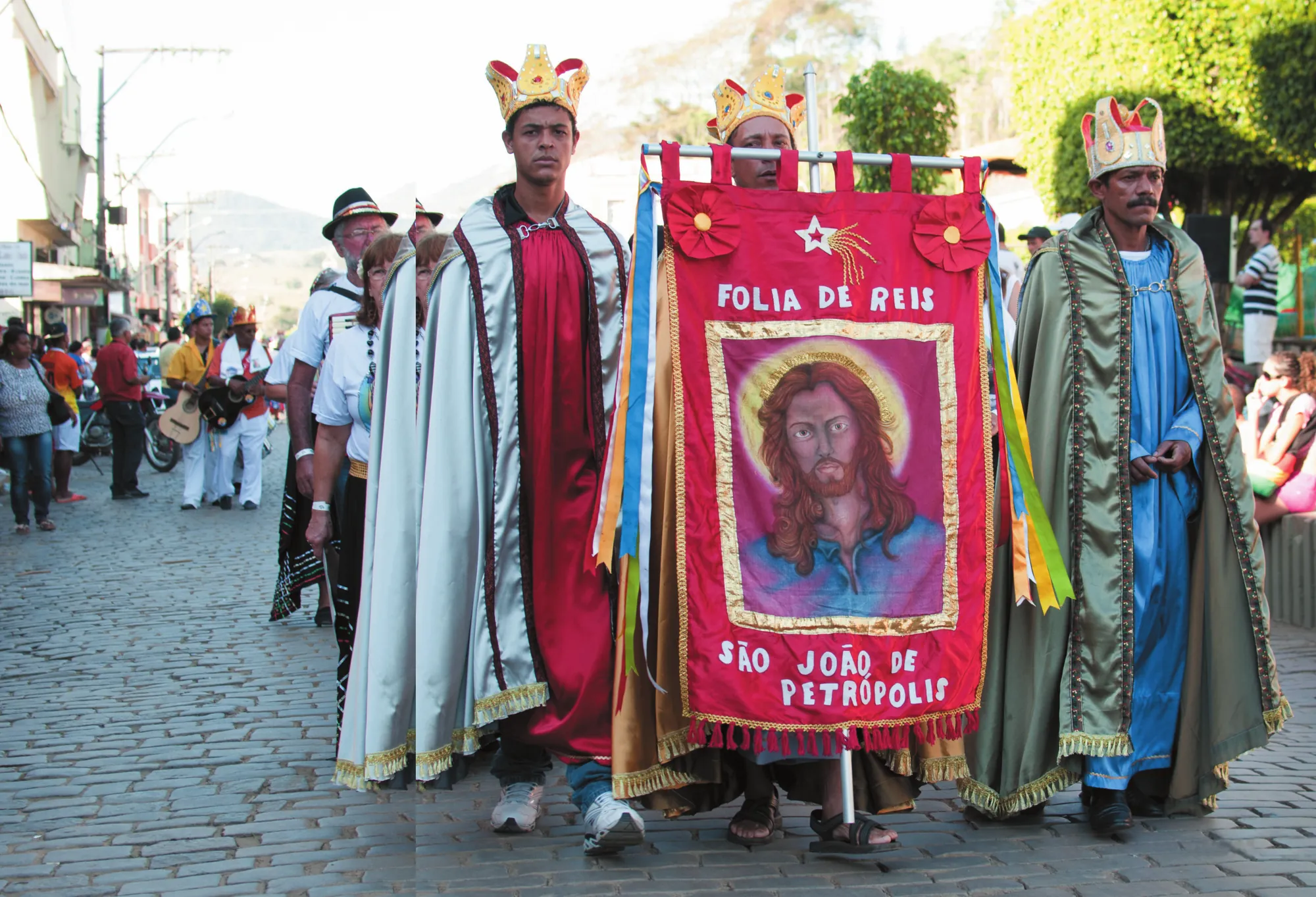
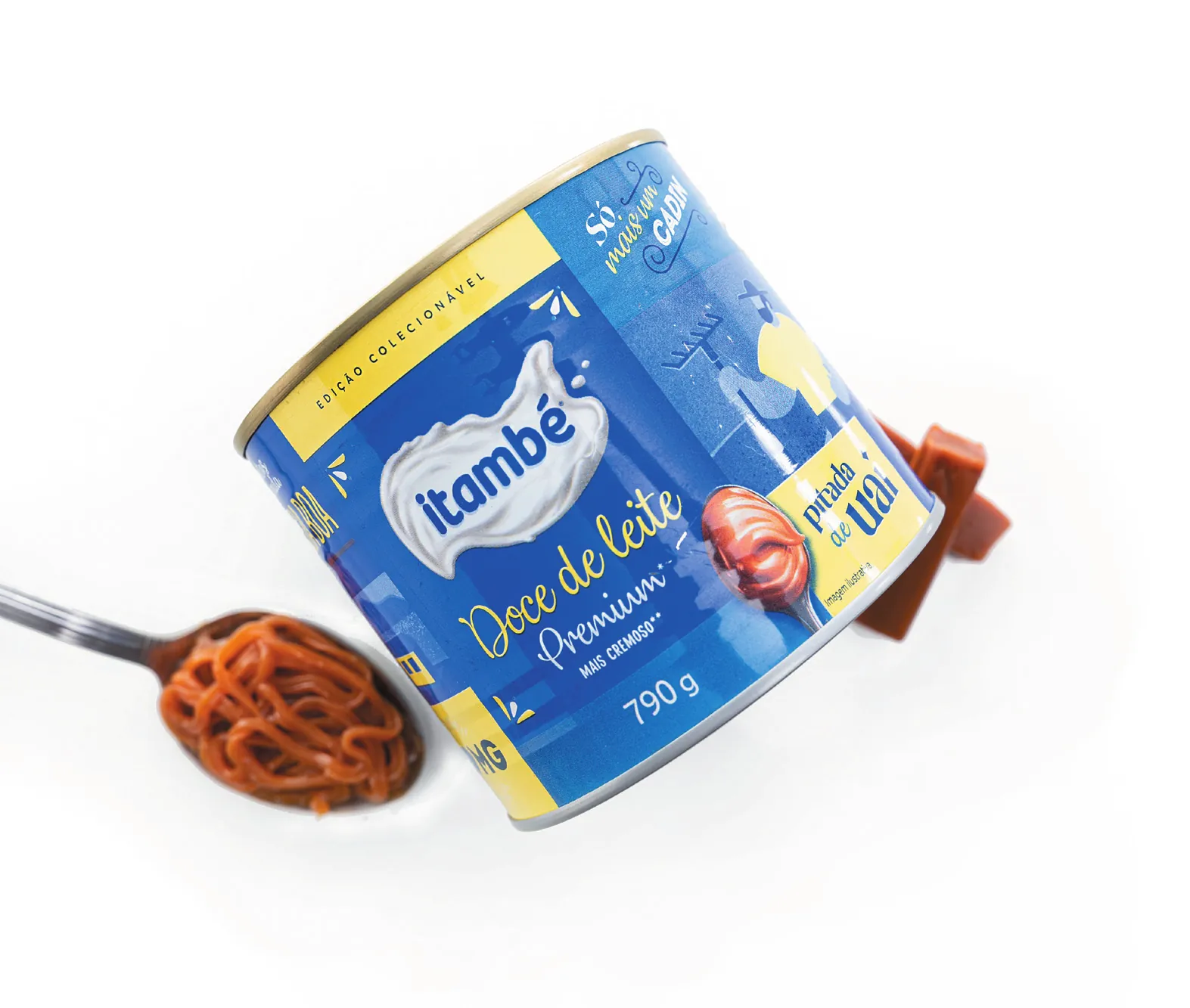
In Muqui, Espírito Santo, the Folia de Reis brings tradition into the streets. In Sabará, Minas Gerais, the jabuticaba lends its name to a festival and is made into sweets, liqueurs and wine. The book pairs these celebrations with examples from the region’s shelves.

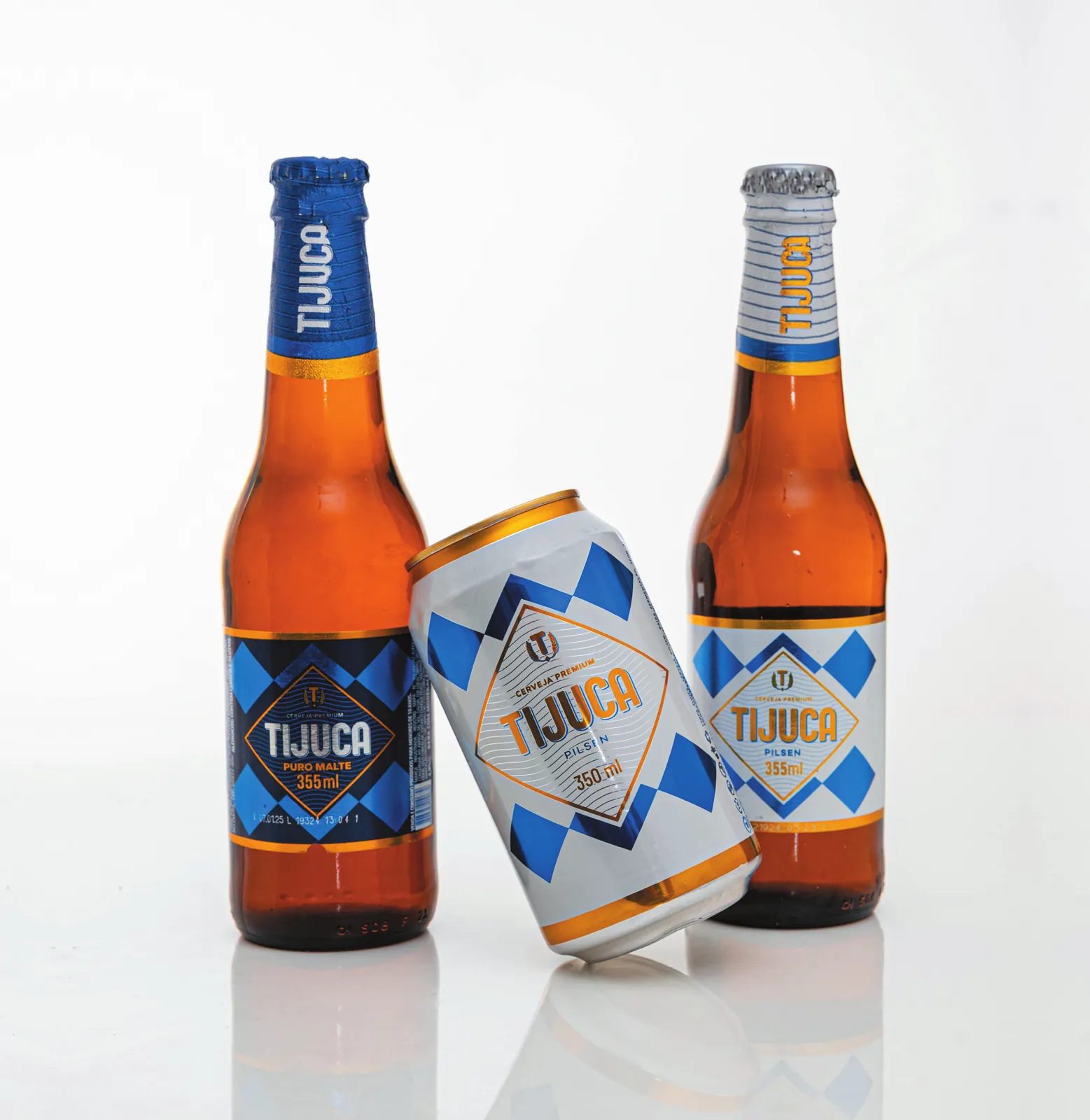
Três Corações features paintings by Candido Portinari on its coffee packs. Tijuca beer draws on the tiled walls of bars in its Rio de Janeiro neighborhood, giving the packaging a recognizable sense of place.

Southeast - Embalagens Mundo Afora

Coffee and art

Três Corações brings Portinari’s paintings to its coffee packs.

Rio’s bar tiles

Tijuca beer borrows its visual language from neighborhood bars.

Sabará’s jabuticaba

The fruit is made into sweets, liqueurs and wine.

Folia de Reis

Bands gather for the celebration in Muqui, Espírito Santo.

BRAZIL | South

"From the Serra Gaúcha grape harvest to Pomerode’s brewery chimney"

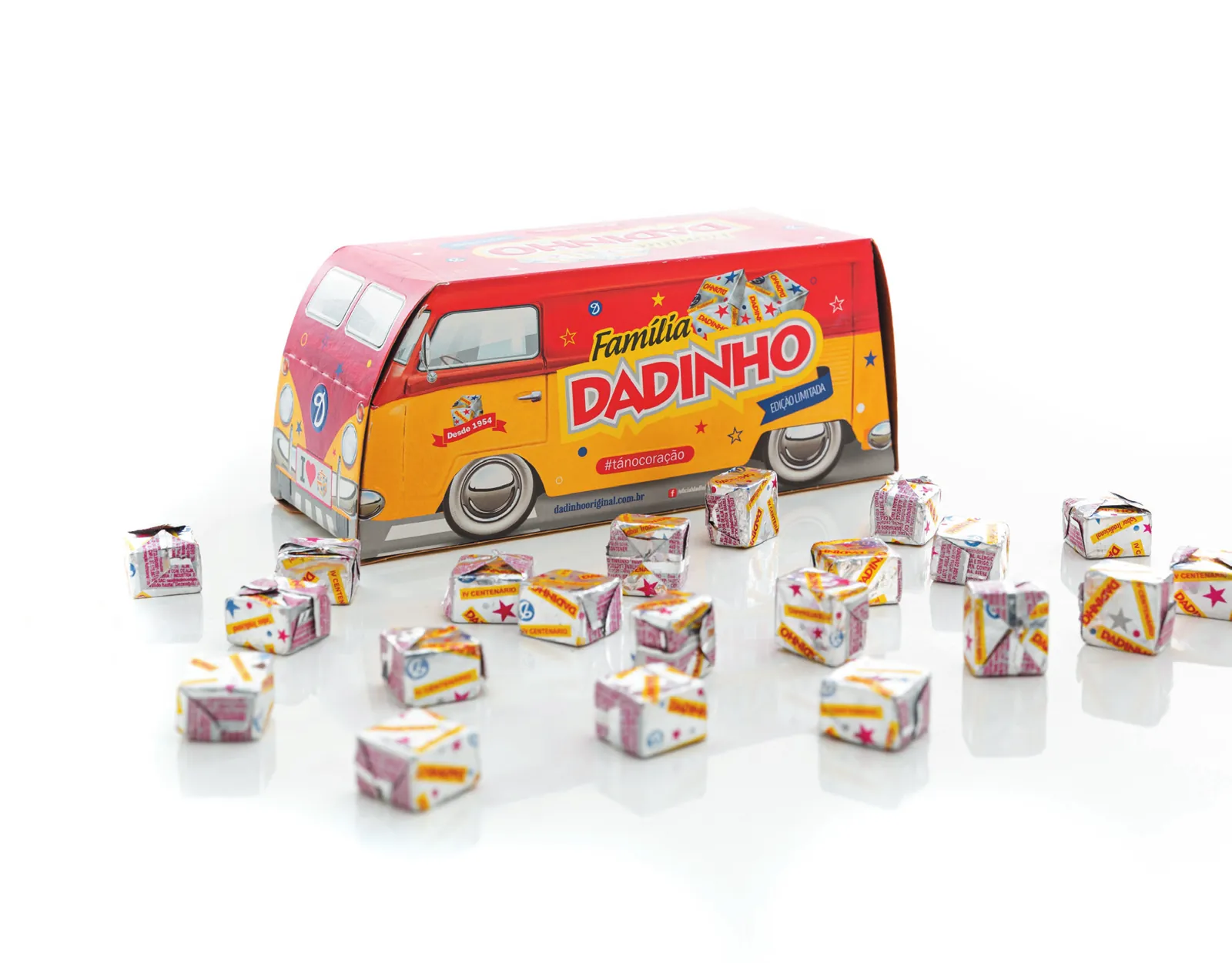
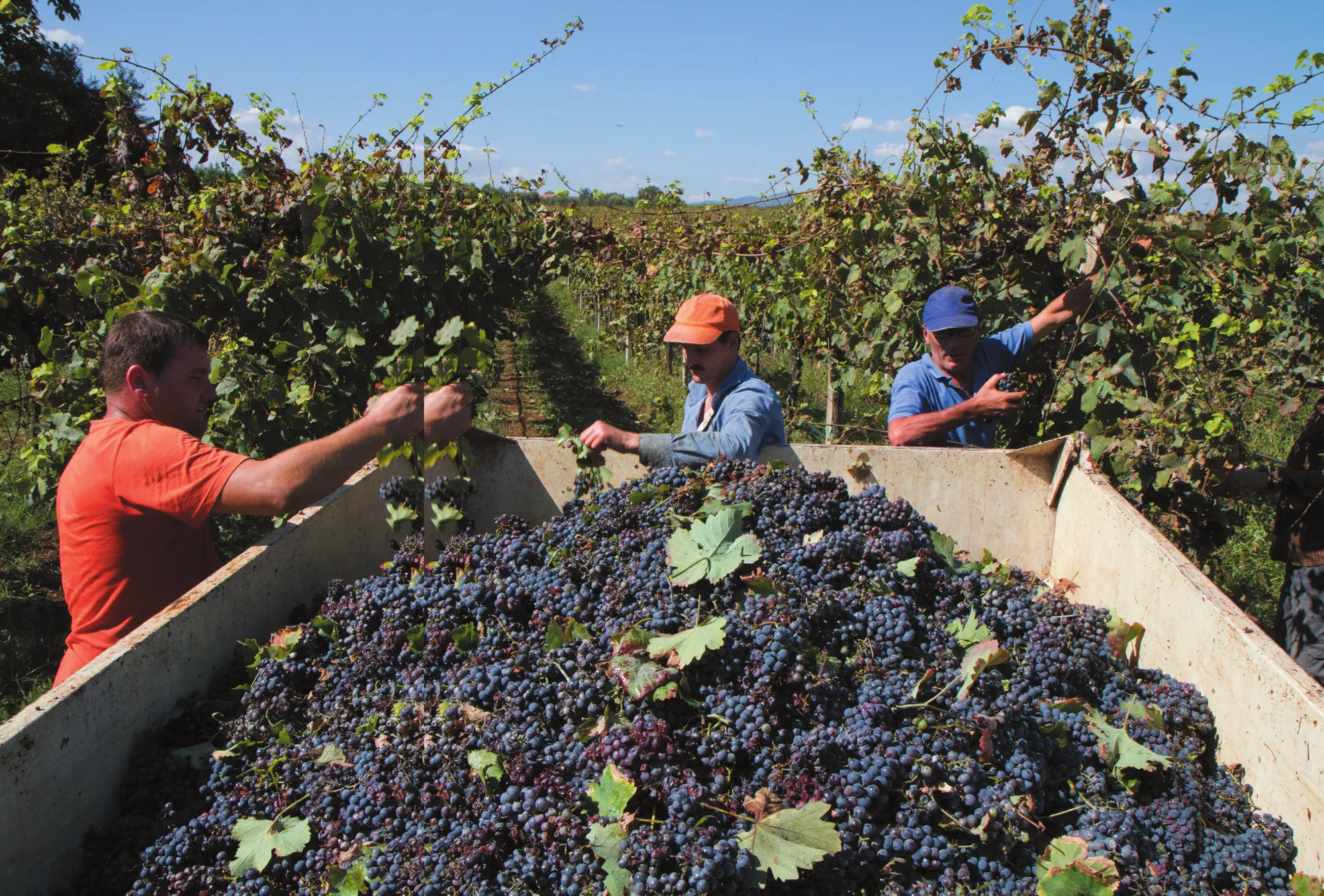
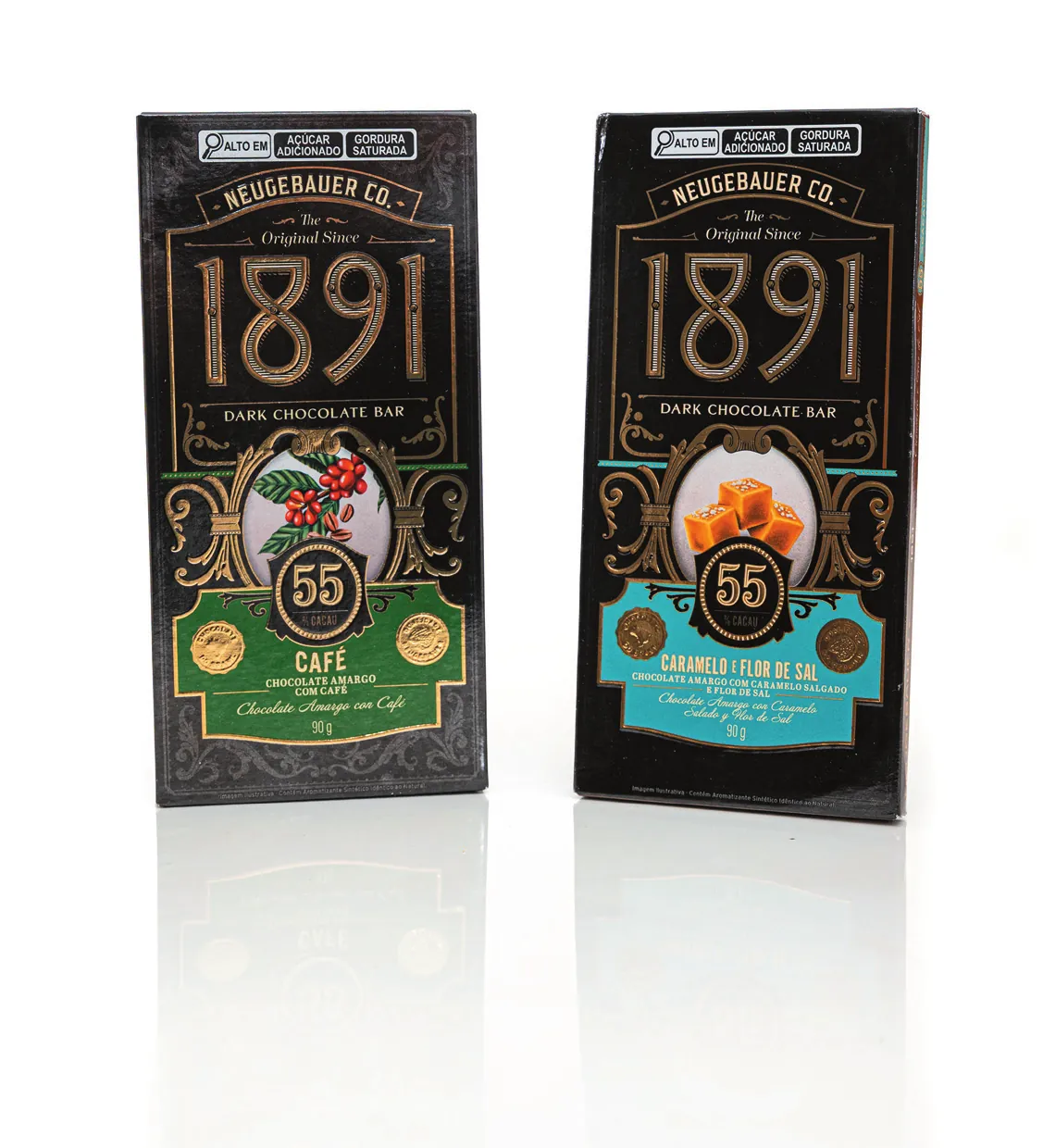
Caxias do Sul’s Grape Festival celebrates the Serra Gaúcha’s growers and the legacy of Italian immigration. On the shelf, Salton carries that winemaking tradition into its sparkling wines, while Neugebauer pays tribute to its roots through its 1891 chocolate line.

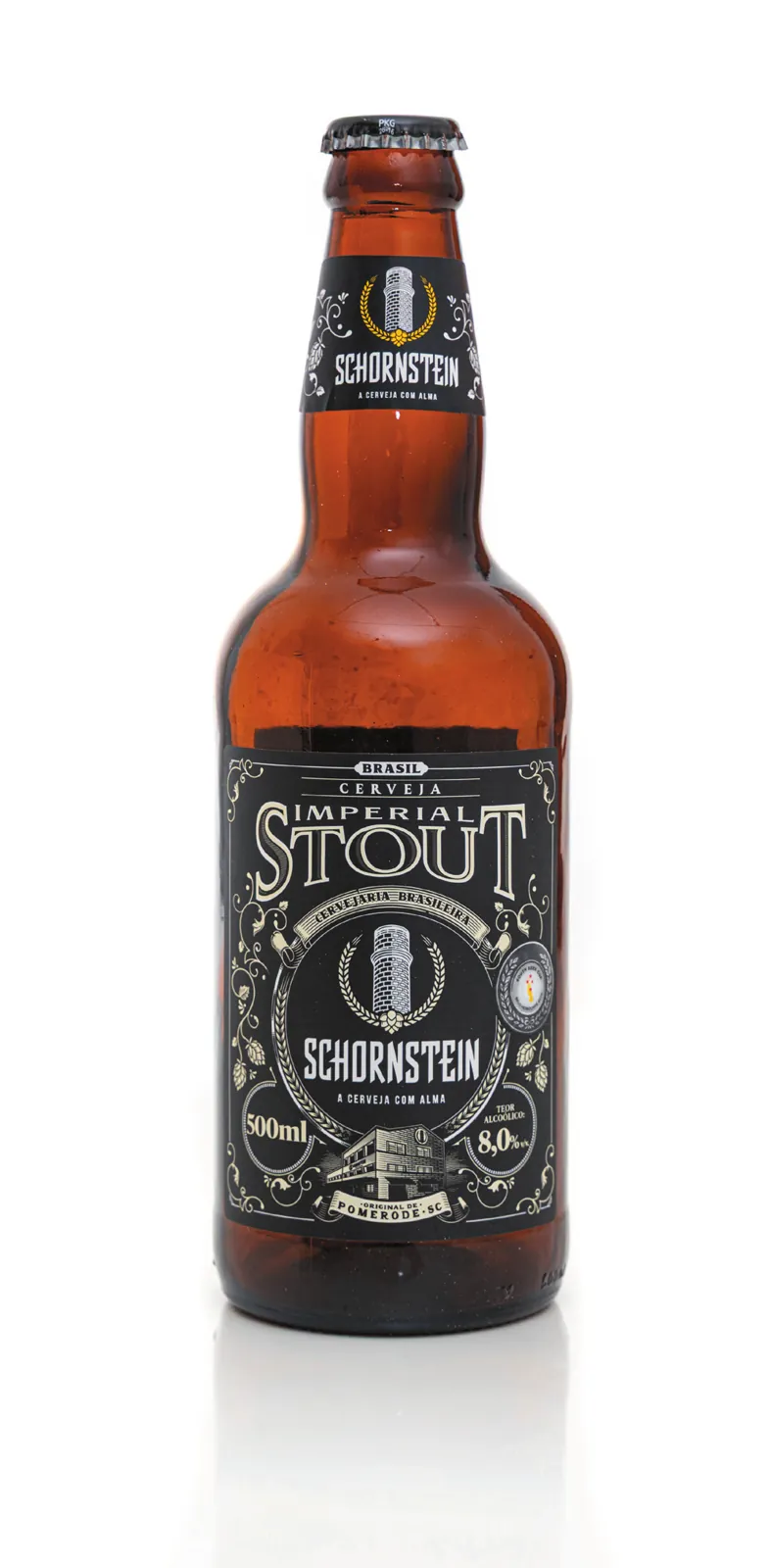
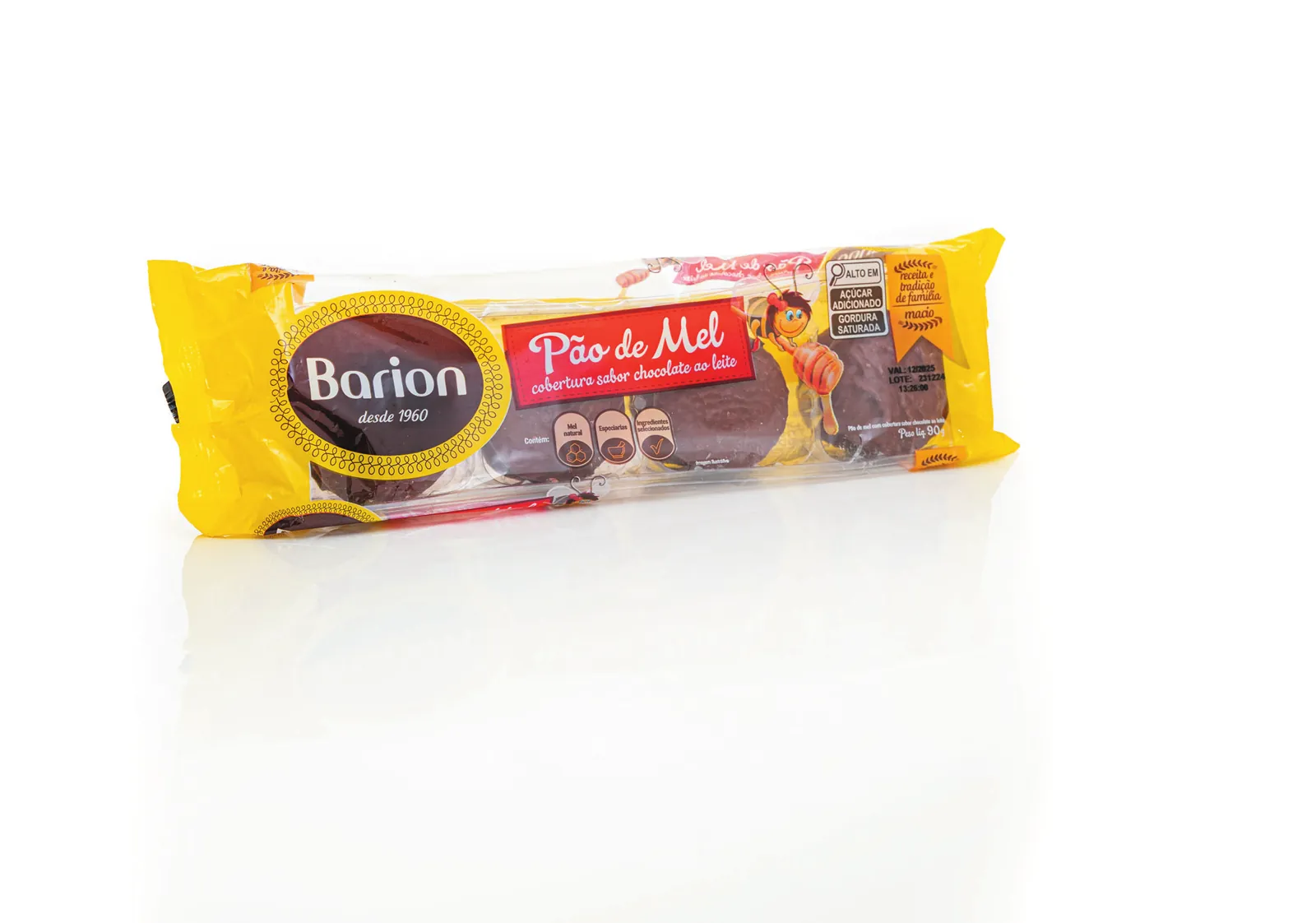
In Pomerode, Santa Catarina, the brick chimney of Schornstein’s original brewery inspired both the name and the packaging. Paraná’s Barion offers another regional classic in its chocolate-covered honey cake.

South - Embalagens Mundo Afora

Grape harvest

The harvest inspires celebrations and products in the Serra Gaúcha.

Neugebauer 1891

The premium line pays tribute to the company’s founders.

Pomerode’s chimney

Schornstein turns a local landmark into a visual signature.

Honey cake

The chocolate-covered treat is a classic from Paraná’s Barion.

BRAZIL | Northeast

"From frevo to the tiled façades of São Luís"

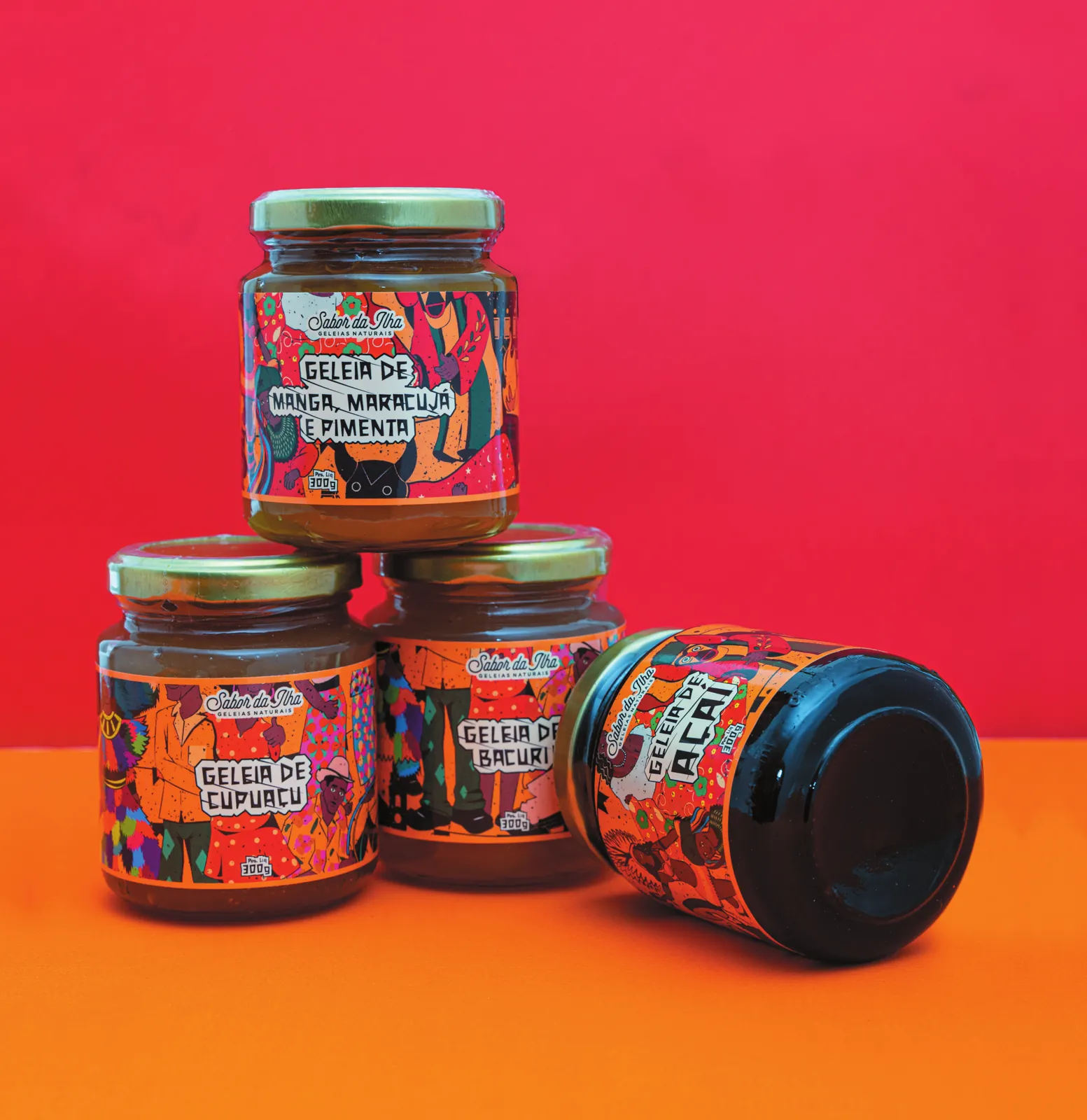
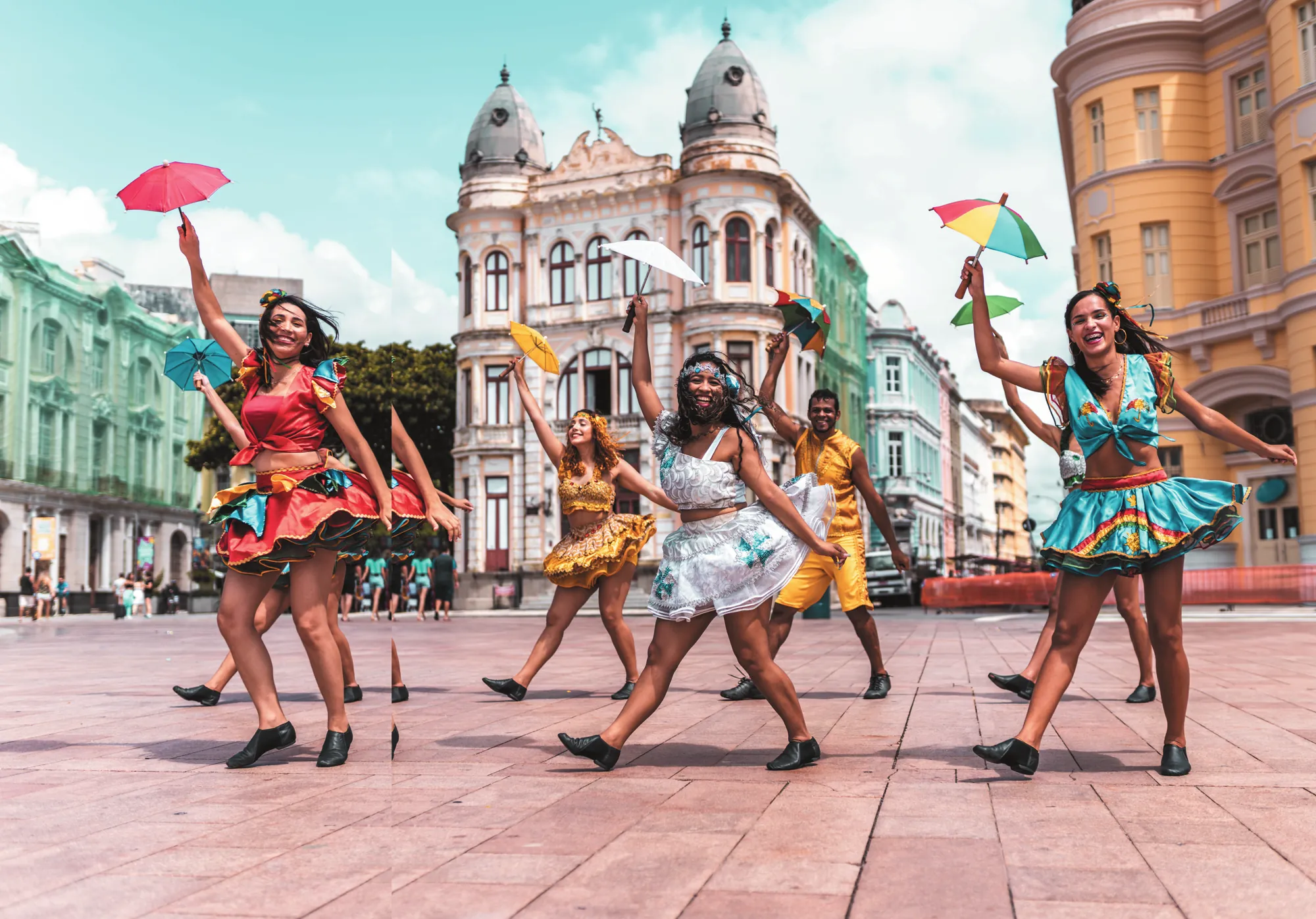
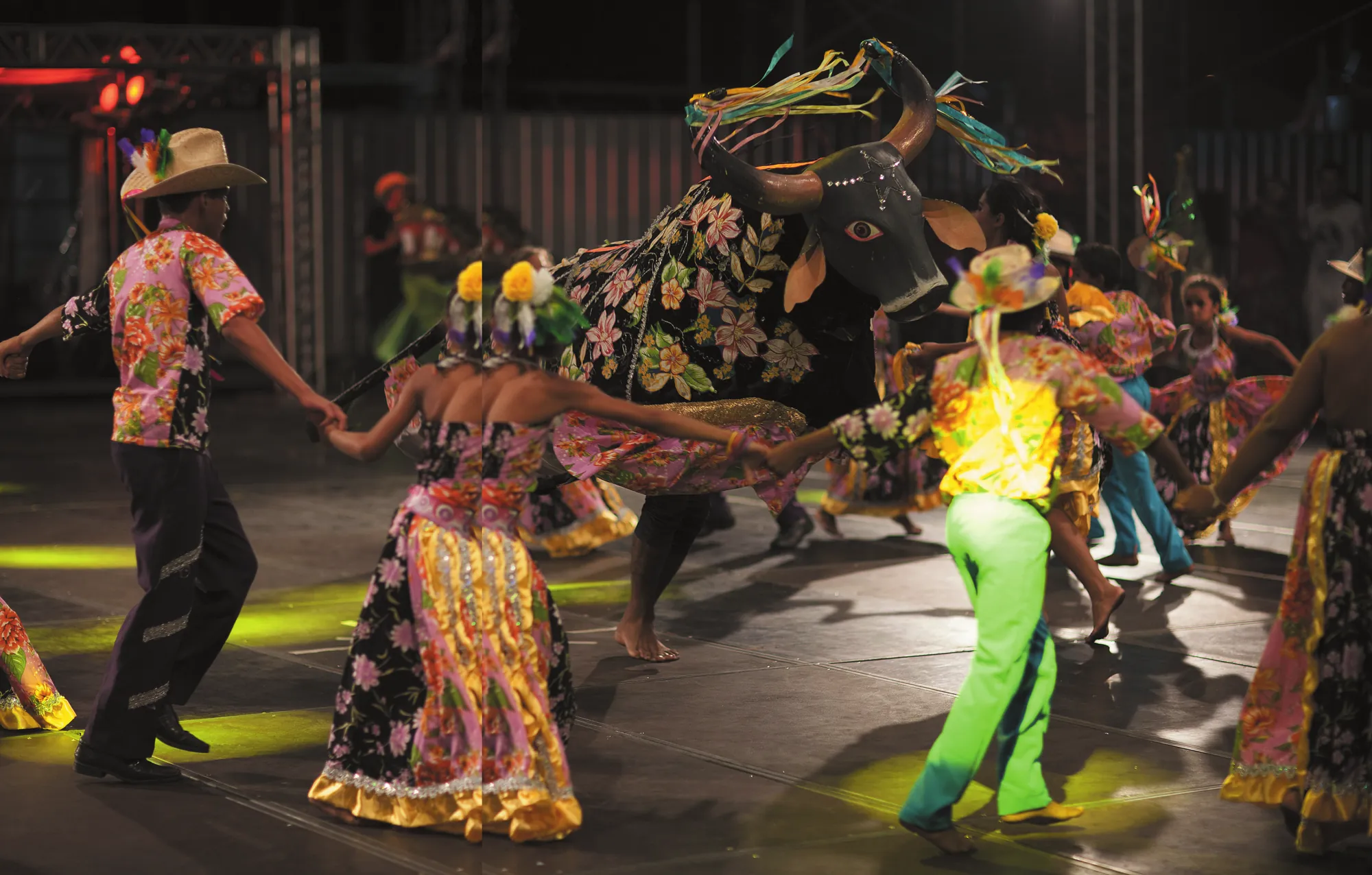
Frevo from Recife and Olinda and the popular verse of cordel introduce a region that tells its stories through rhythm, imagery and color. In São Luís, Sabor da Ilha brings that visual language to its jam jars with illustrations inspired by Bumba Meu Boi and its cazumbá characters.

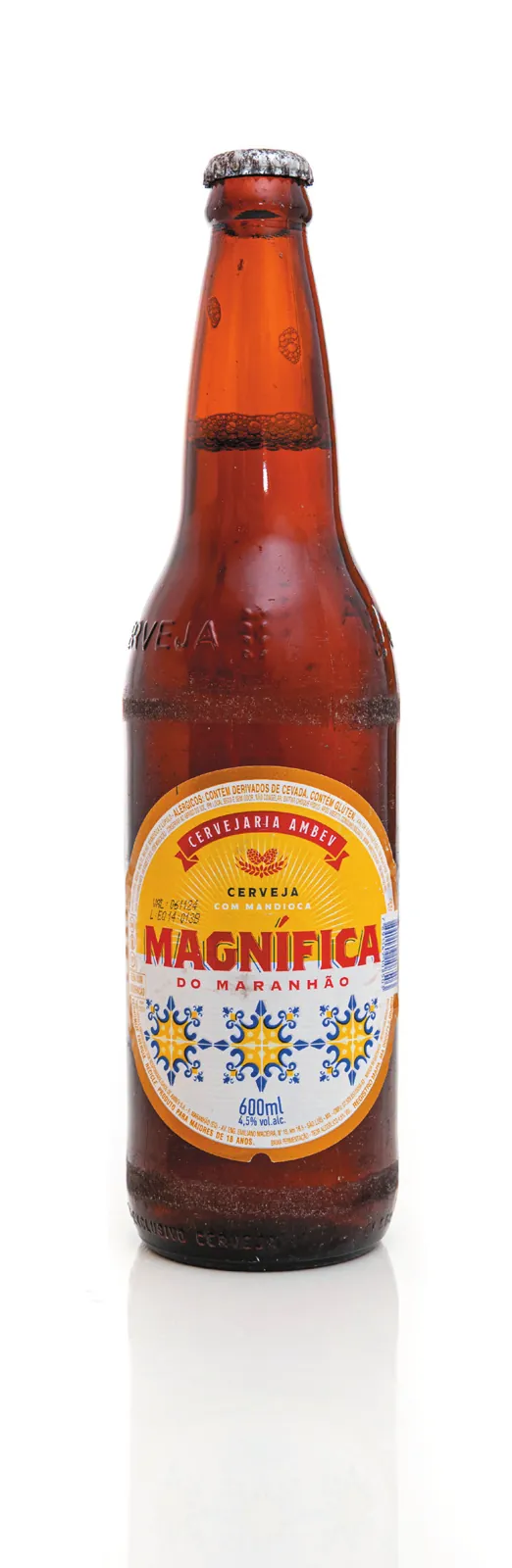
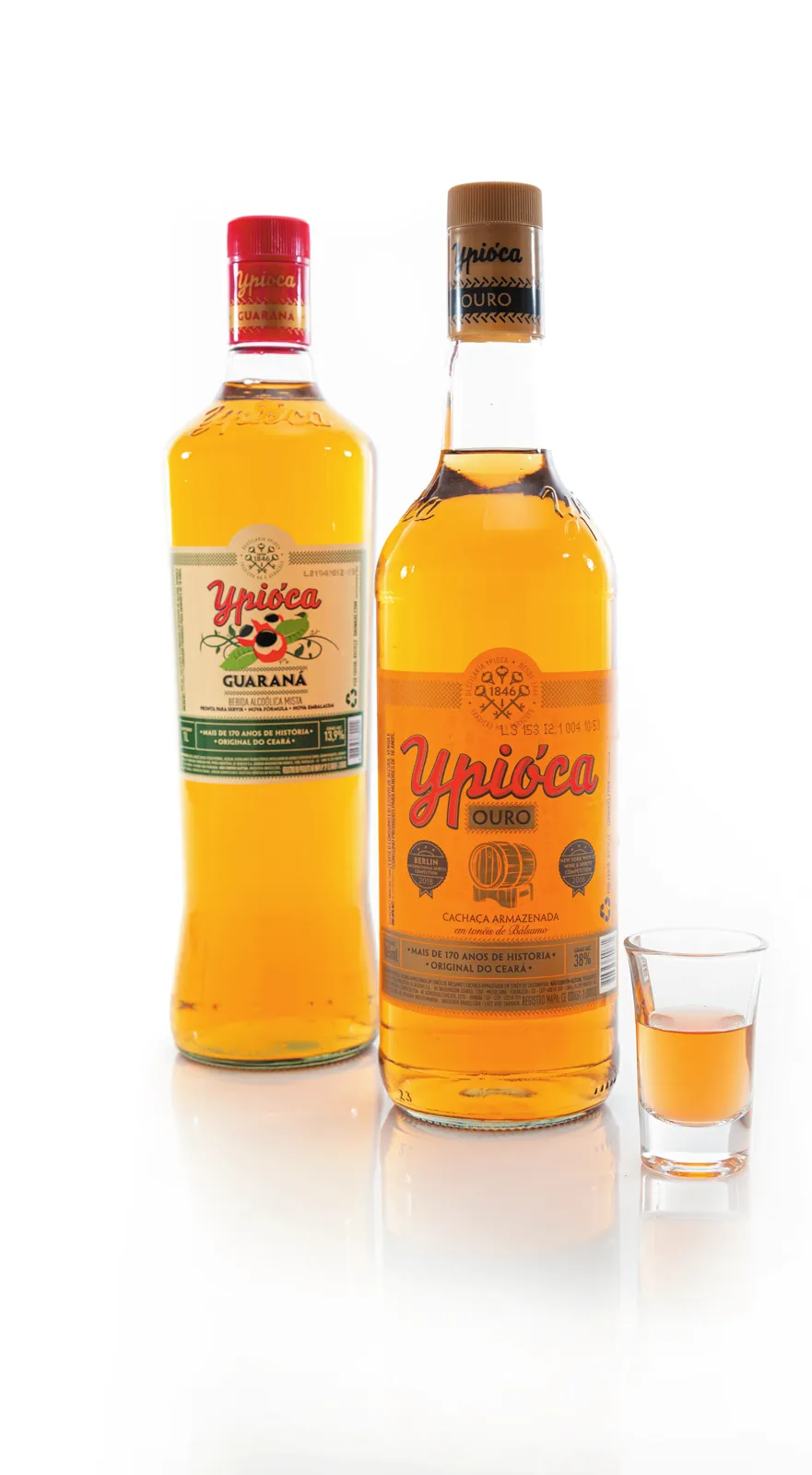
Magnífica beer uses cassava grown by family farmers in Maranhão and references the historic tiles of São Luís. In Ceará, Ypióca preserves a piece of its own history by keeping its hand-drawn logo on the label.

Northeast - Embalagens Mundo Afora

Frevo and cordel

Music, dance and popular verse give voice to local traditions.

Bumba Meu Boi

Maranhão’s folklore inspires Sabor da Ilha’s jam labels.

Cassava and tiles

Magnífica links a local ingredient to the architecture of São Luís.

Ypióca

The hand-drawn logo still appears on the cachaça label.

BRAZIL | Midwest

"Cerrado flavors and the rhythms of cururu"

In Cuiabá, the Cururu and Siriri Festival brings together dance, verse and instruments such as the viola de cocho. In Goiás, another expression of regional identity starts with two Cerrado ingredients: pequi and baru nuts.

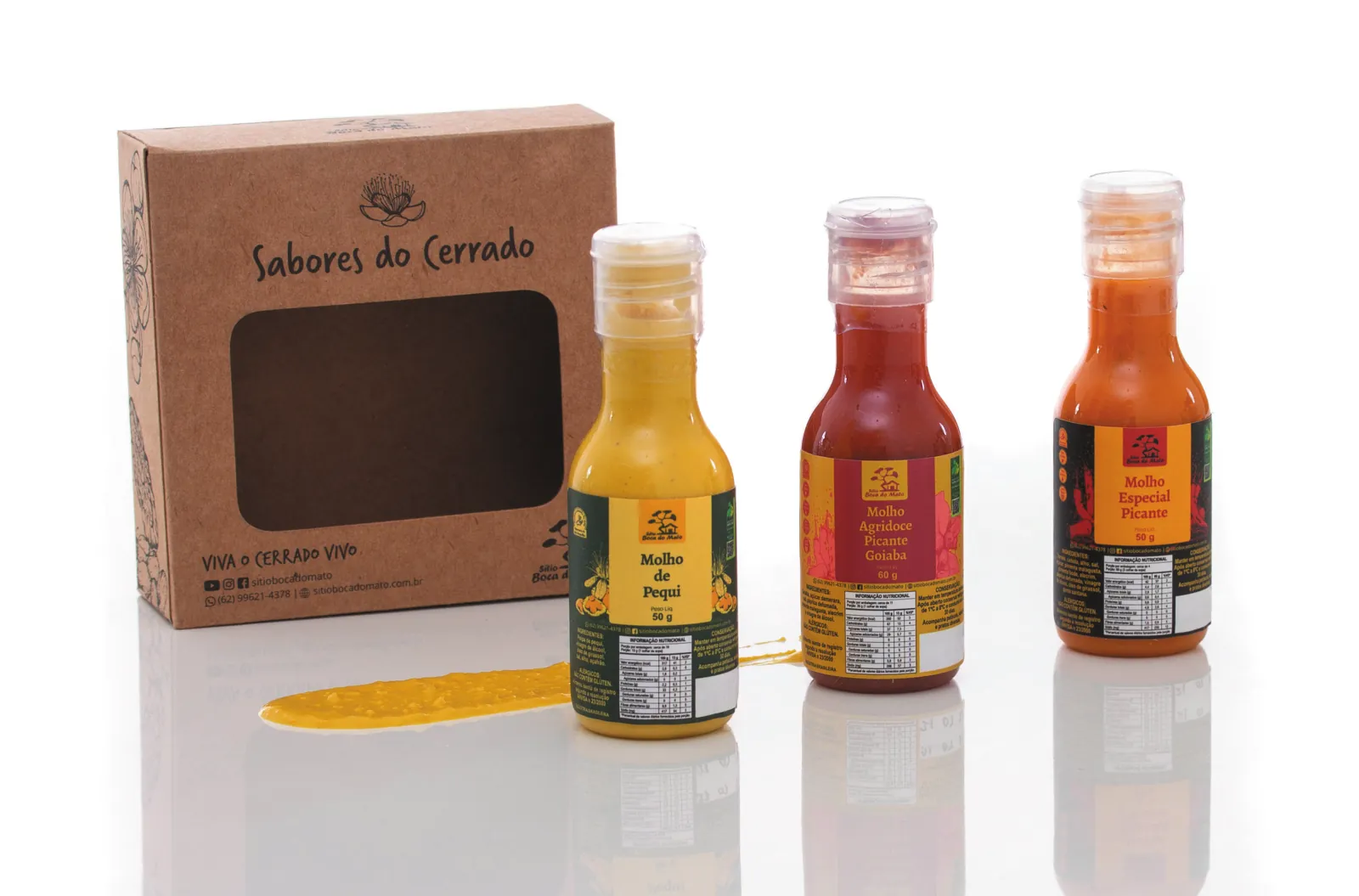
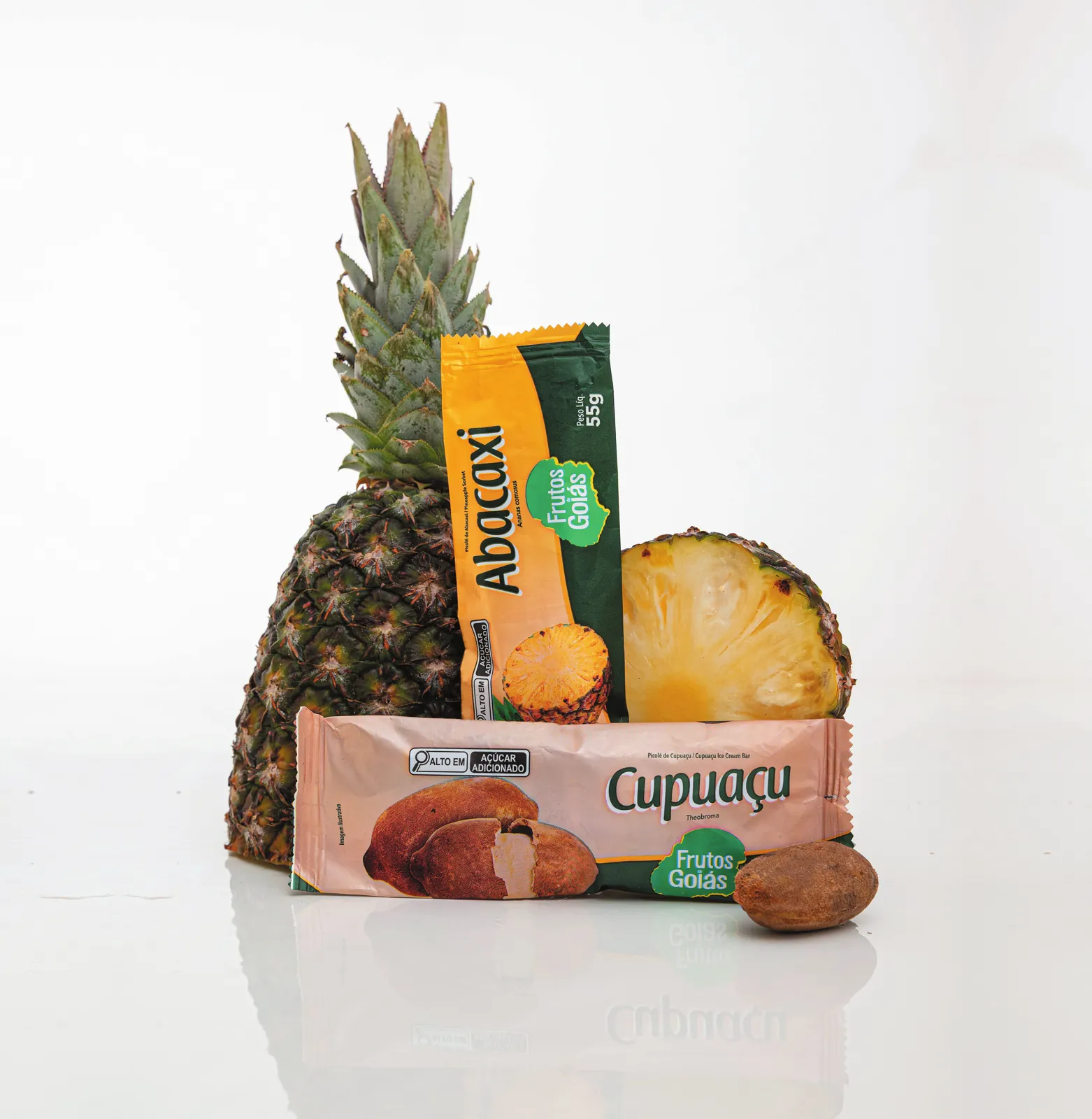
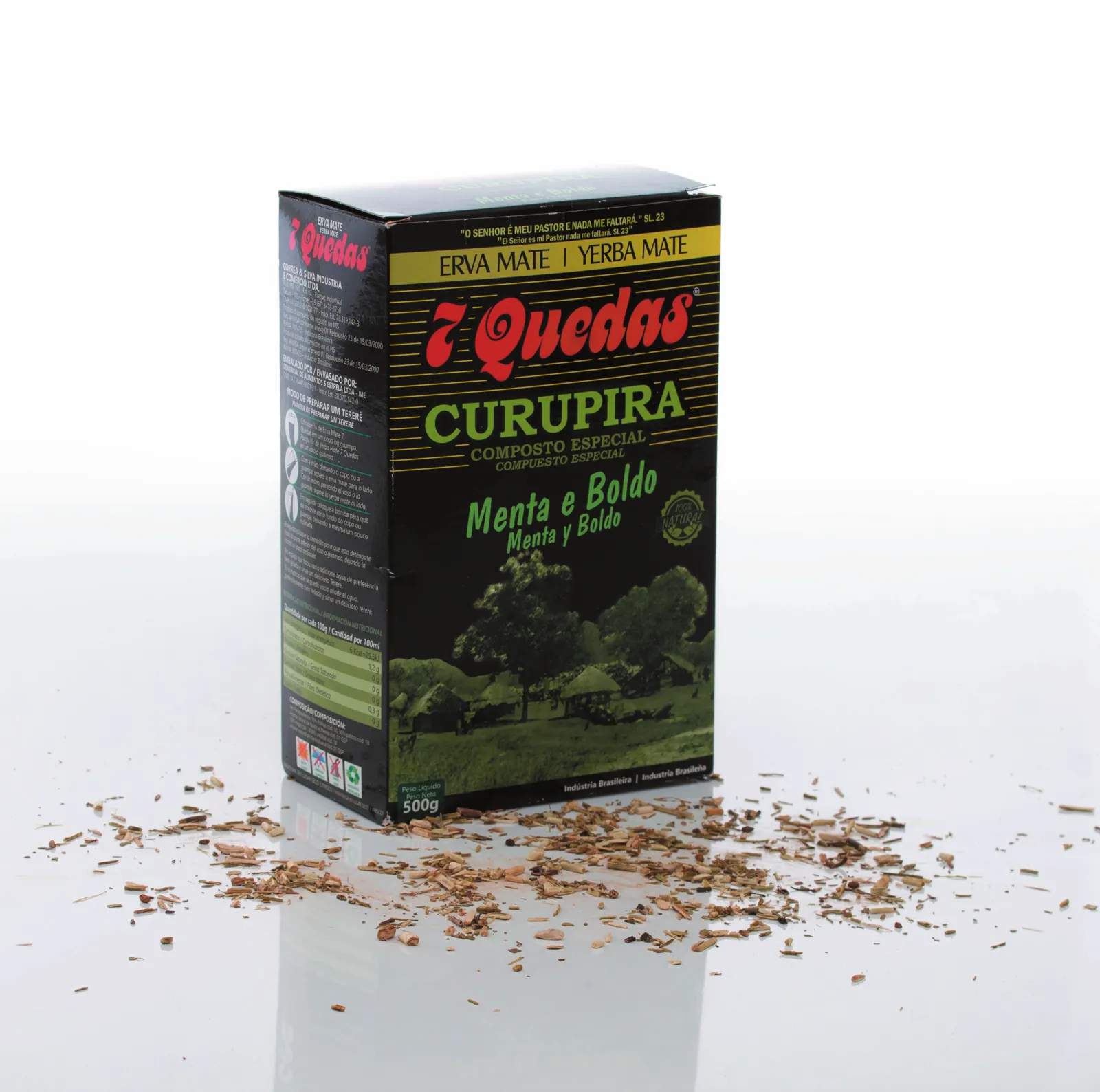
Sítio Boca do Mato works with family farmers and local gatherers to make toasted cassava flour blends, sauces and herb spreads. Frutos de Goiás uses Cerrado fruits in ice cream and popsicles, while tereré reflects another local custom: drinking yerba mate cold.

Central-West - Embalagens Mundo Afora

Cururu and siriri

Dance, verse and the viola de cocho come together in Cuiabá.

Pequi and baru

Sítio Boca do Mato showcases Cerrado ingredients.

Cerrado fruits

Frutos de Goiás brings regional flavors to ice cream and popsicles.

Tereré

Cold yerba mate is part of the region’s everyday life.

BRAZIL | North

"Parintins in red and blue and the graphic traditions of the Kayapó"

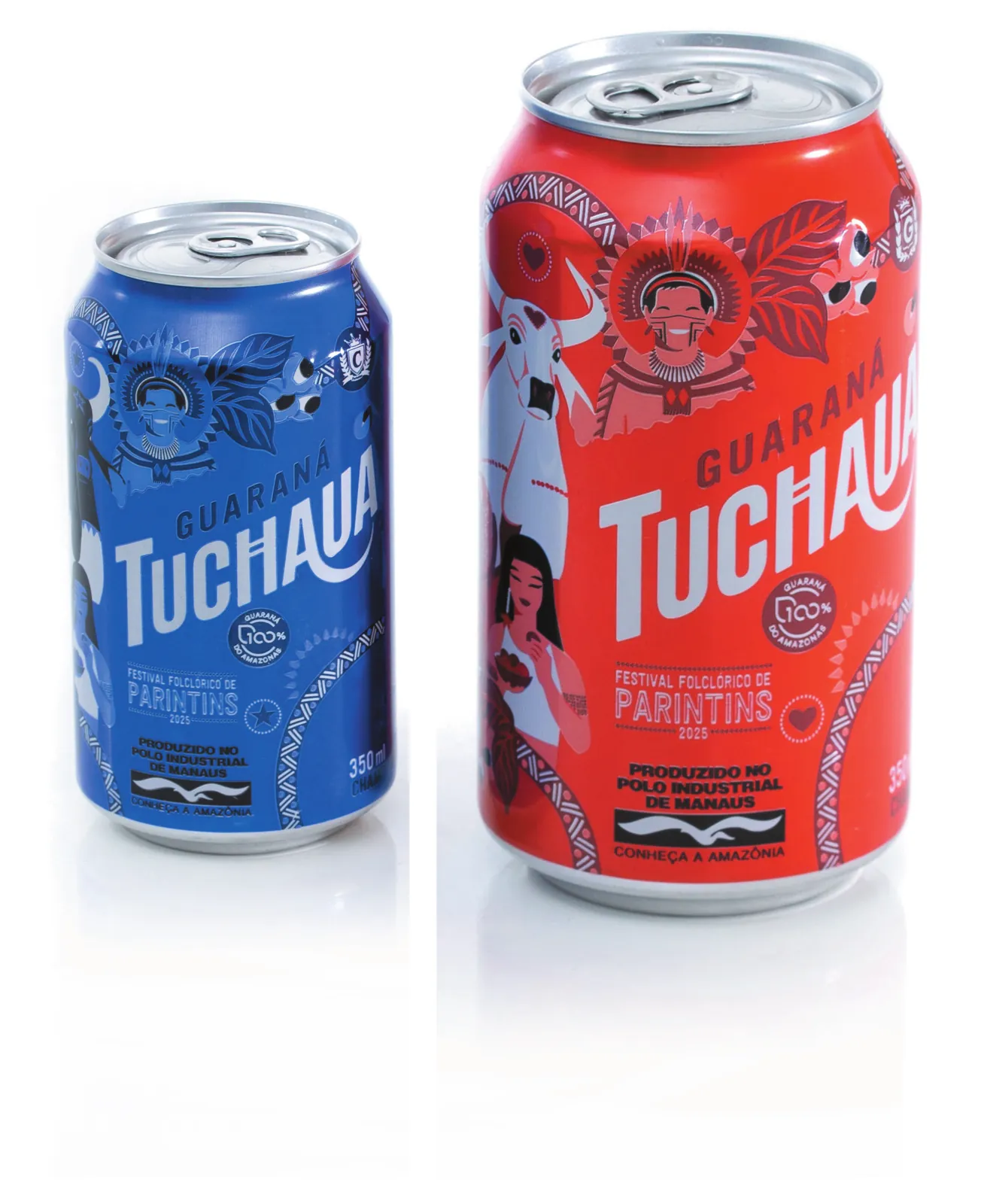
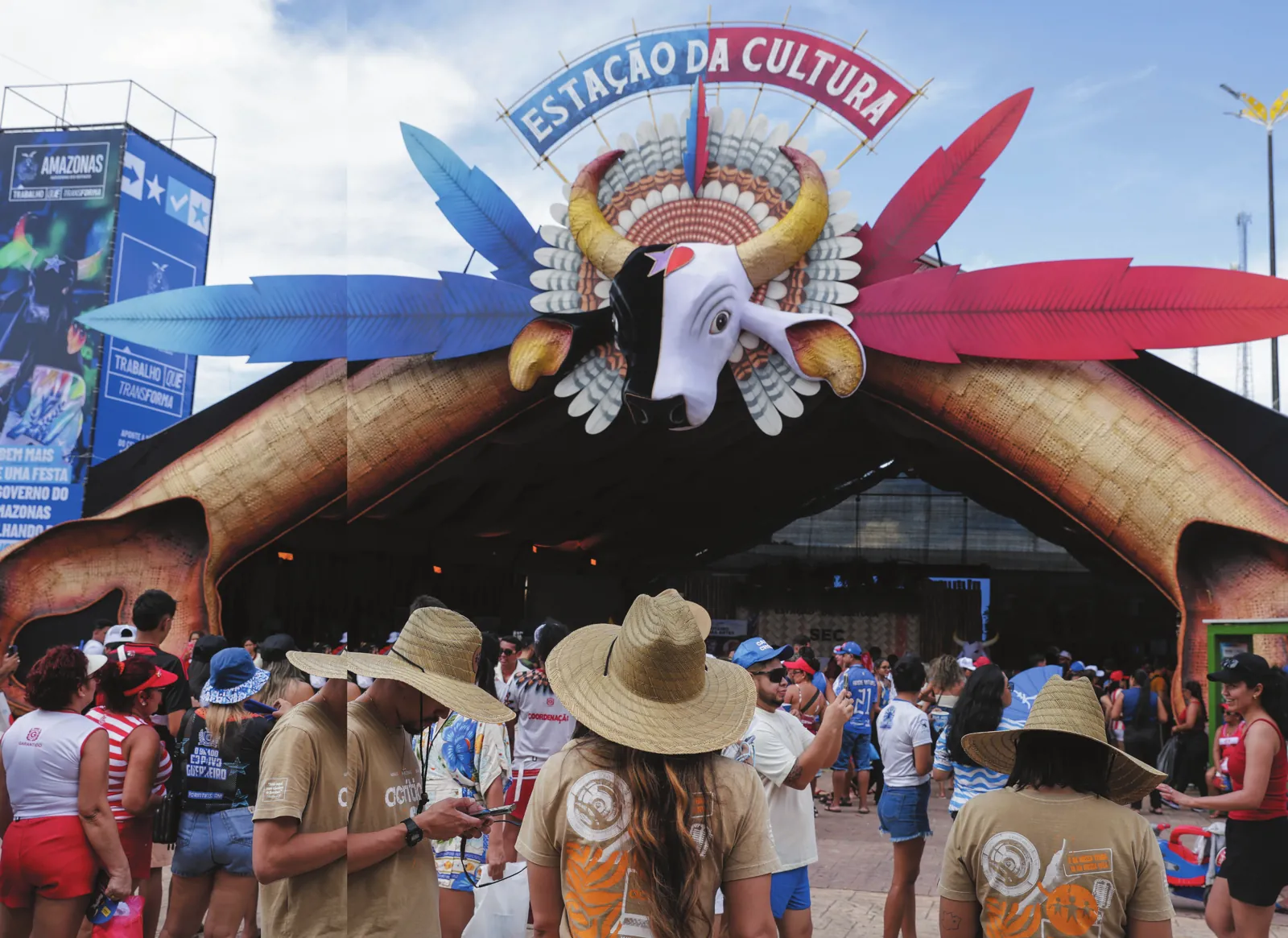
In Parintins, the rivalry between Garantido and Caprichoso dresses the city in red and blue. Tuchaua brings the celebration to store shelves with themed soda cans that connect the brand to the festivities.

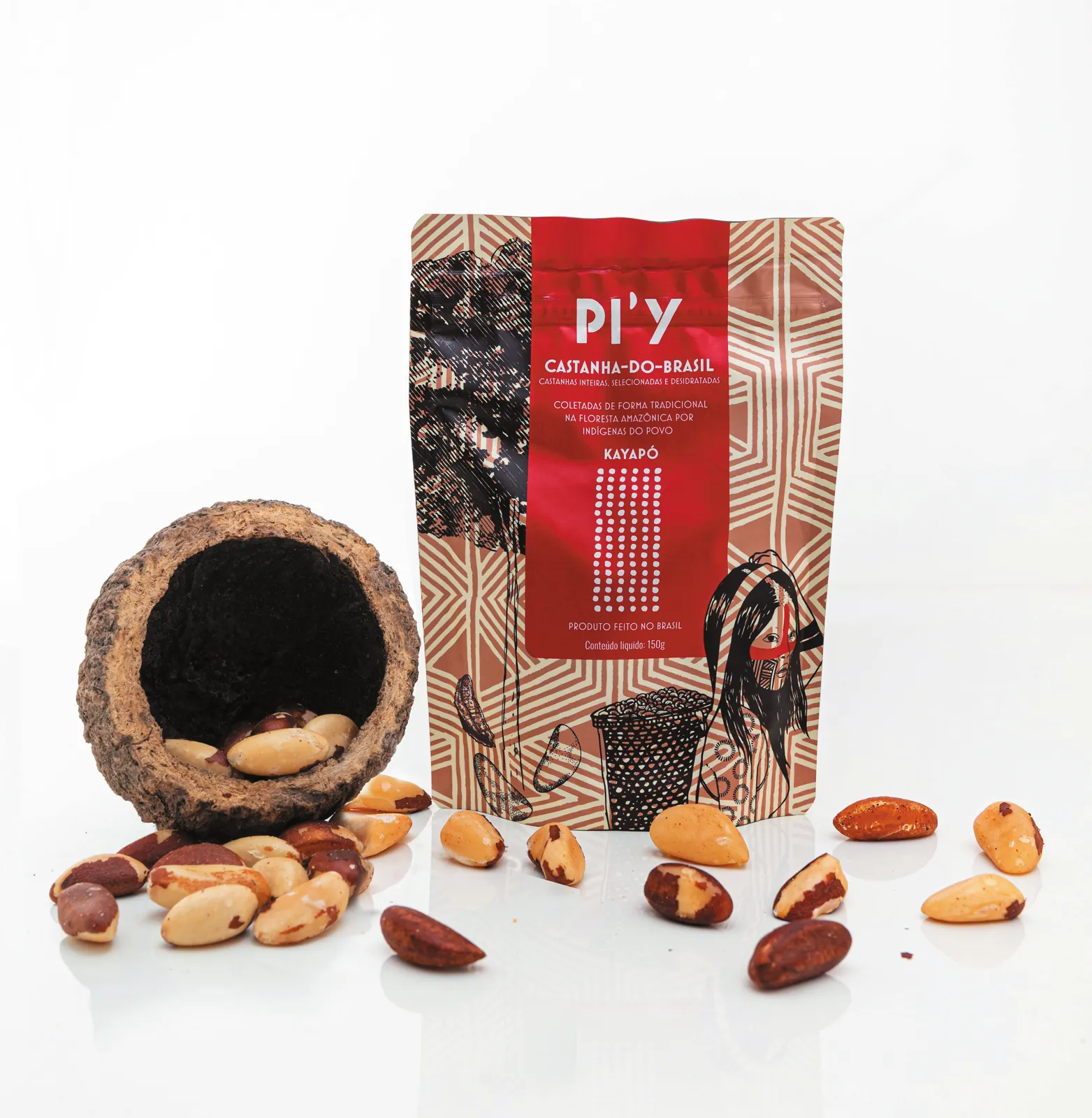
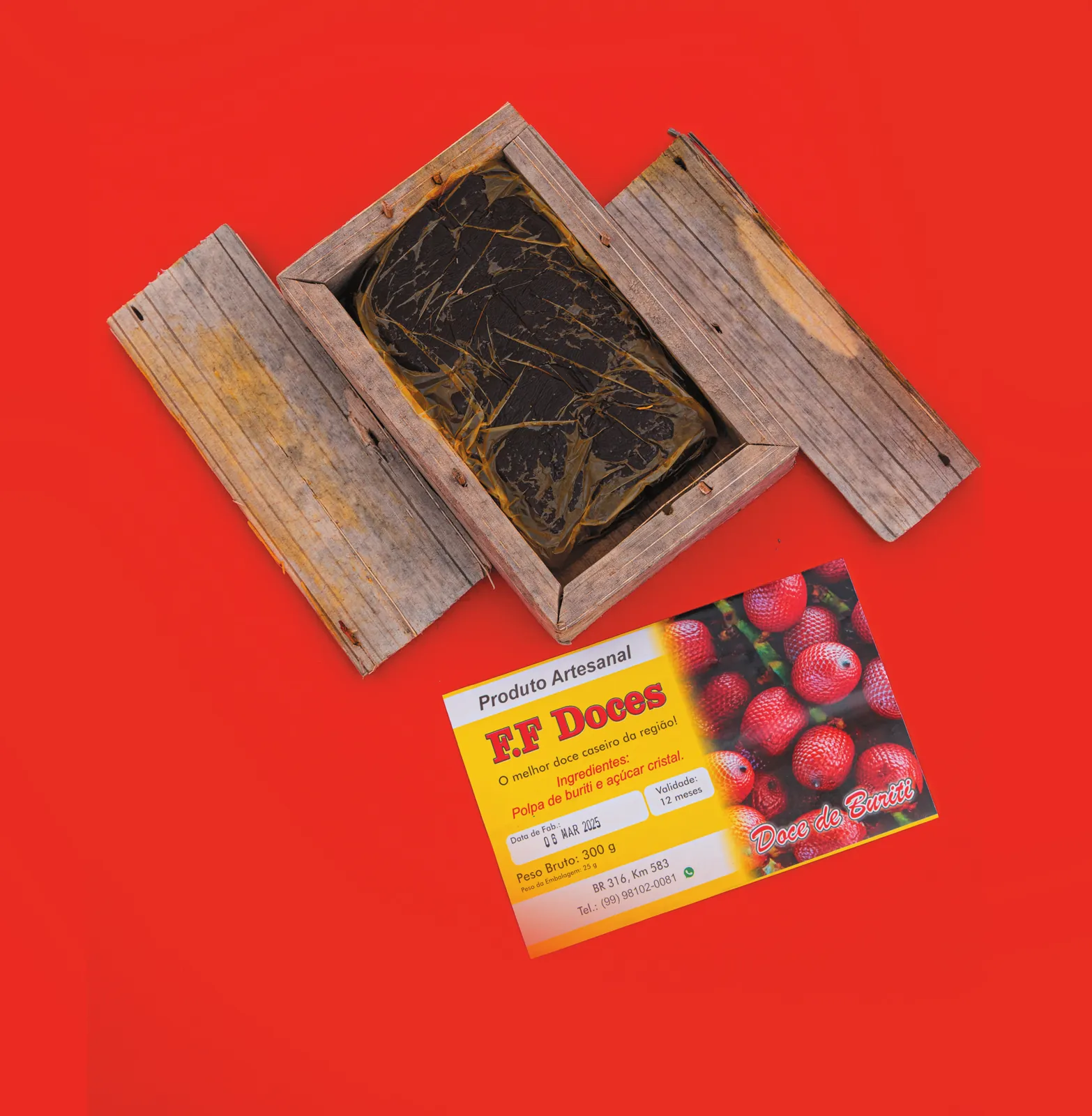
In southern Pará, Brazil nuts reach store shelves under the PI’Y name, the Kayapó word for the nut. The packaging’s graphic patterns reflect Kayapó identity. Buriti sweets show another packaging tradition rooted in the forest, using bark from the palm itself.

North - Embalagens Mundo Afora

Parintins on a can

Tuchaua brings the festival to its soda packaging.

Kayapó identity

PI’Y pairs Brazil nuts with Indigenous graphic patterns.

Buriti sweets

Palm bark is used as traditional packaging.

Aromatic peppers

Cheiro do Pará sauce showcases a familiar ingredient in northern Brazilian cooking.

CAMBODIA 🇰🇭

"From Angkor Wat to Cambodian pepper packs"

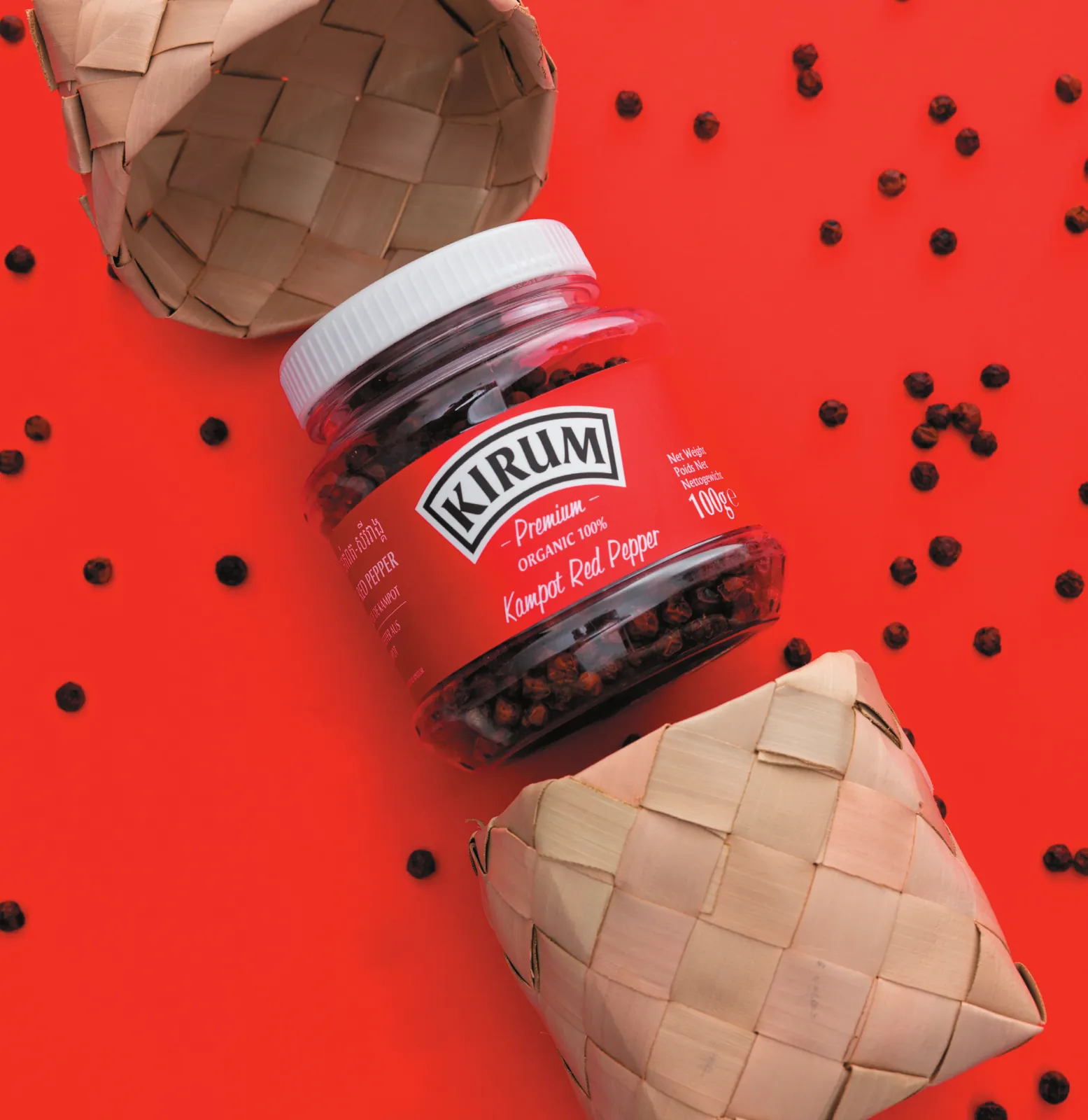
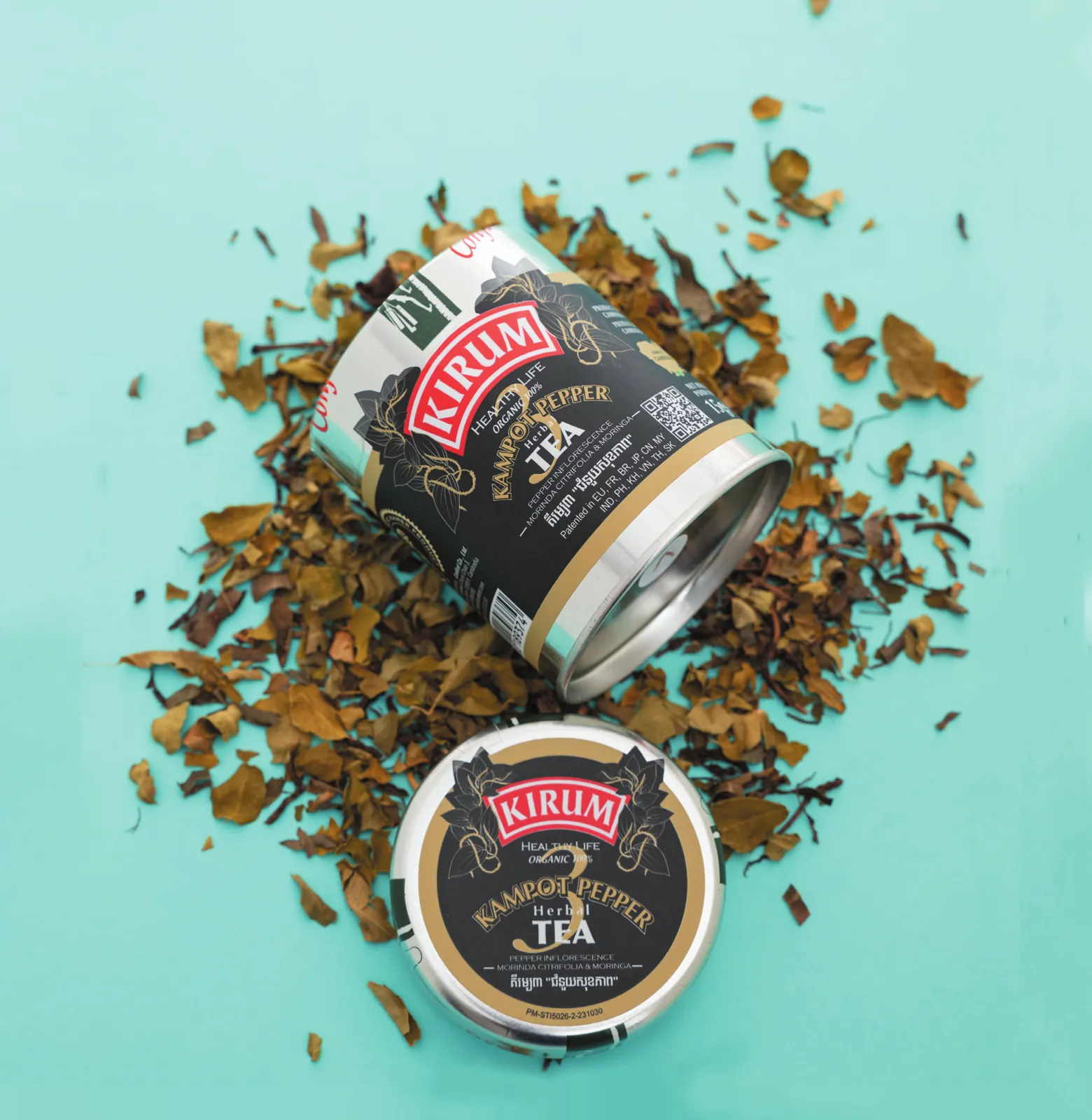
The temples of Angkor and Khmer craftsmanship show how enduring traditions shape Cambodia. A similar attention to form and materials appears in local packaging. Kirum pairs a pepper jar with a woven straw box and presents its pepper tea in a decorated, sealed steel tin.

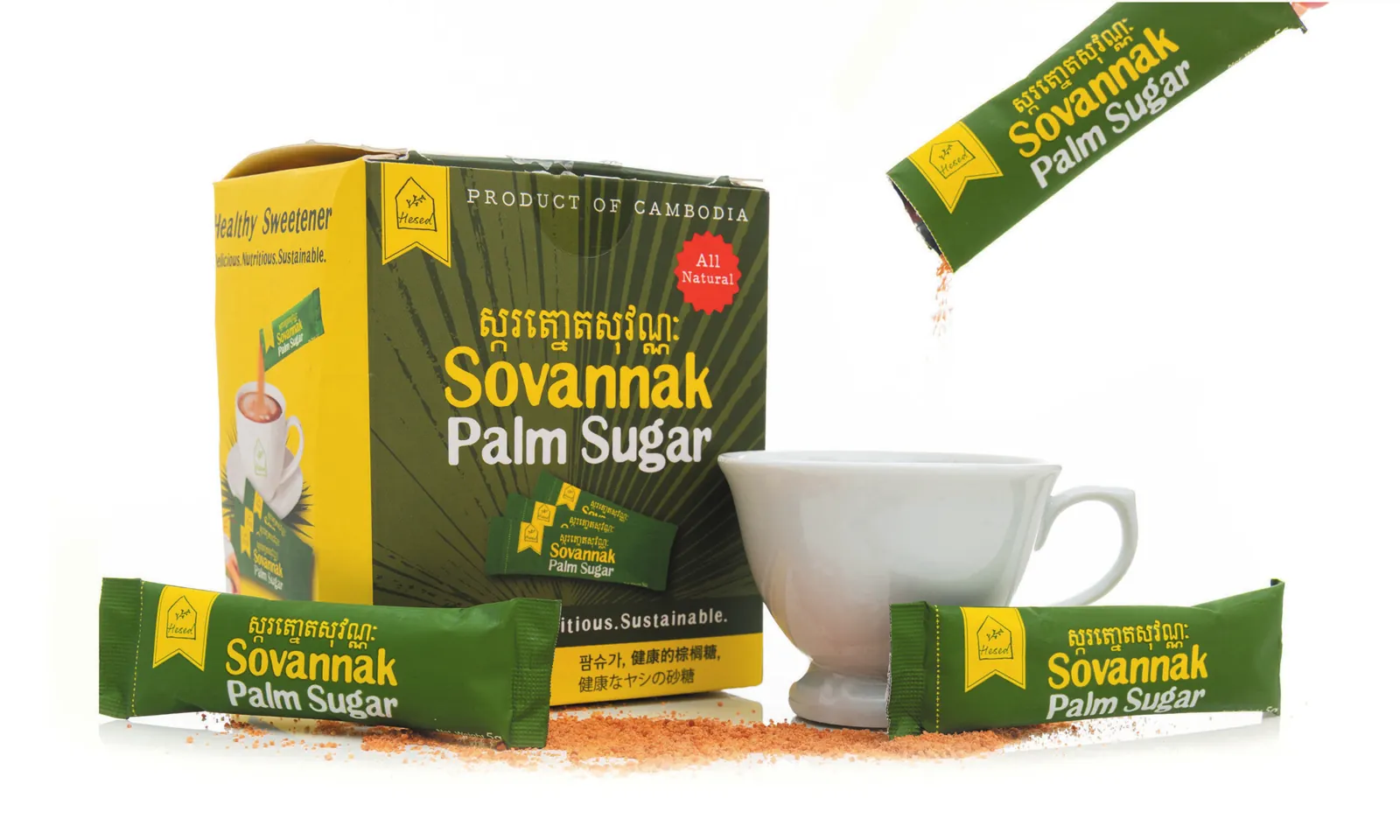
For everyday use, Sovannak packages palm sugar in individual sticks. Beer labels also draw on Cambodian landmarks and traditions.

Cambodia - Embalagens Mundo Afora

Woven straw and pepper

Kirum’s outer box adds texture and a distinctive presentation.

Tea in a tin

Kirum packs pepper tea in a decorated, sealed steel tin.

Portioned sugar

Sovannak packages palm sugar in individual sticks.

Khmer references

Cambodian landmarks and traditions appear on beer labels.

SOUTH KOREA 🇰🇷

"From street food to collectible K-pop labels"

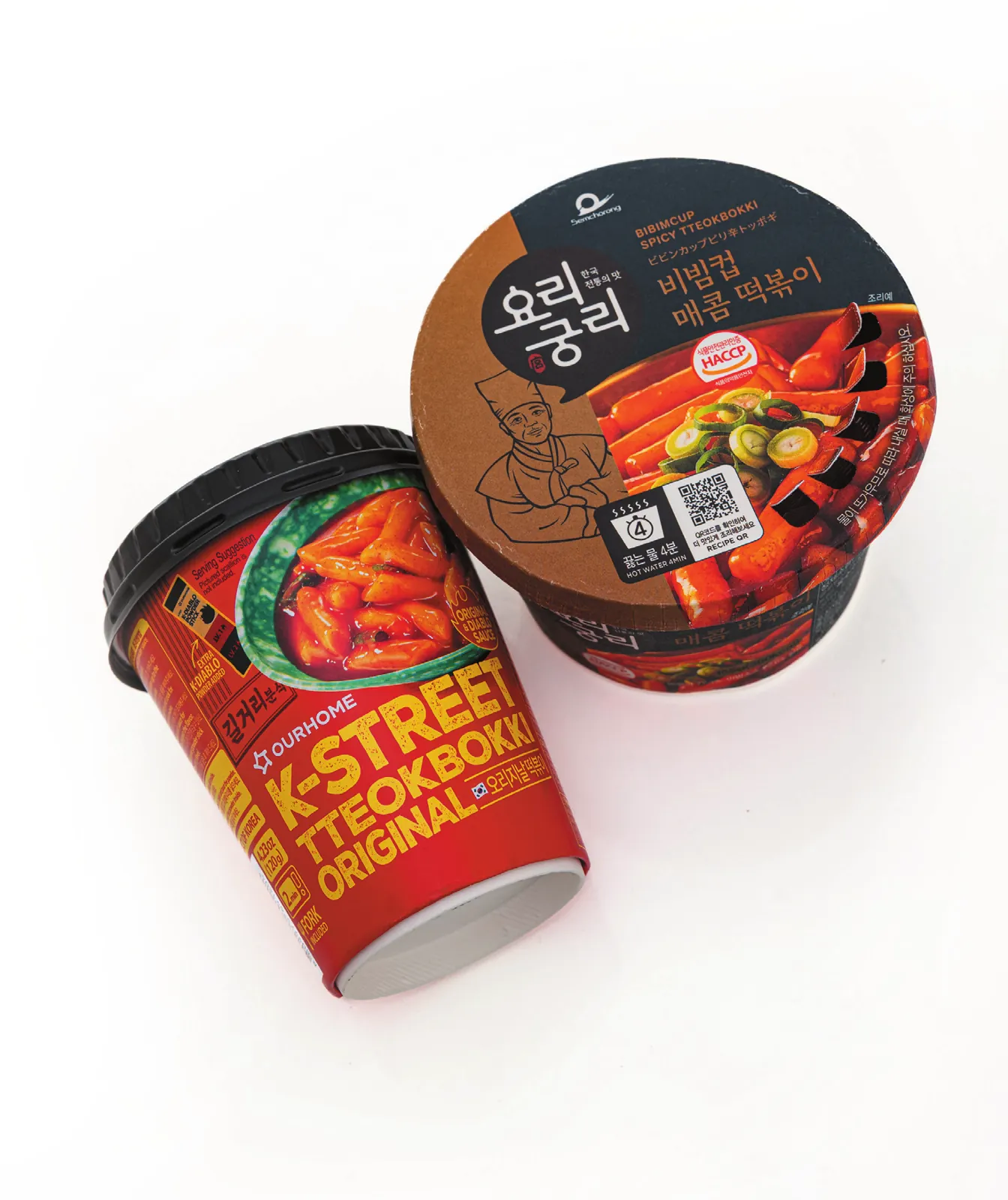
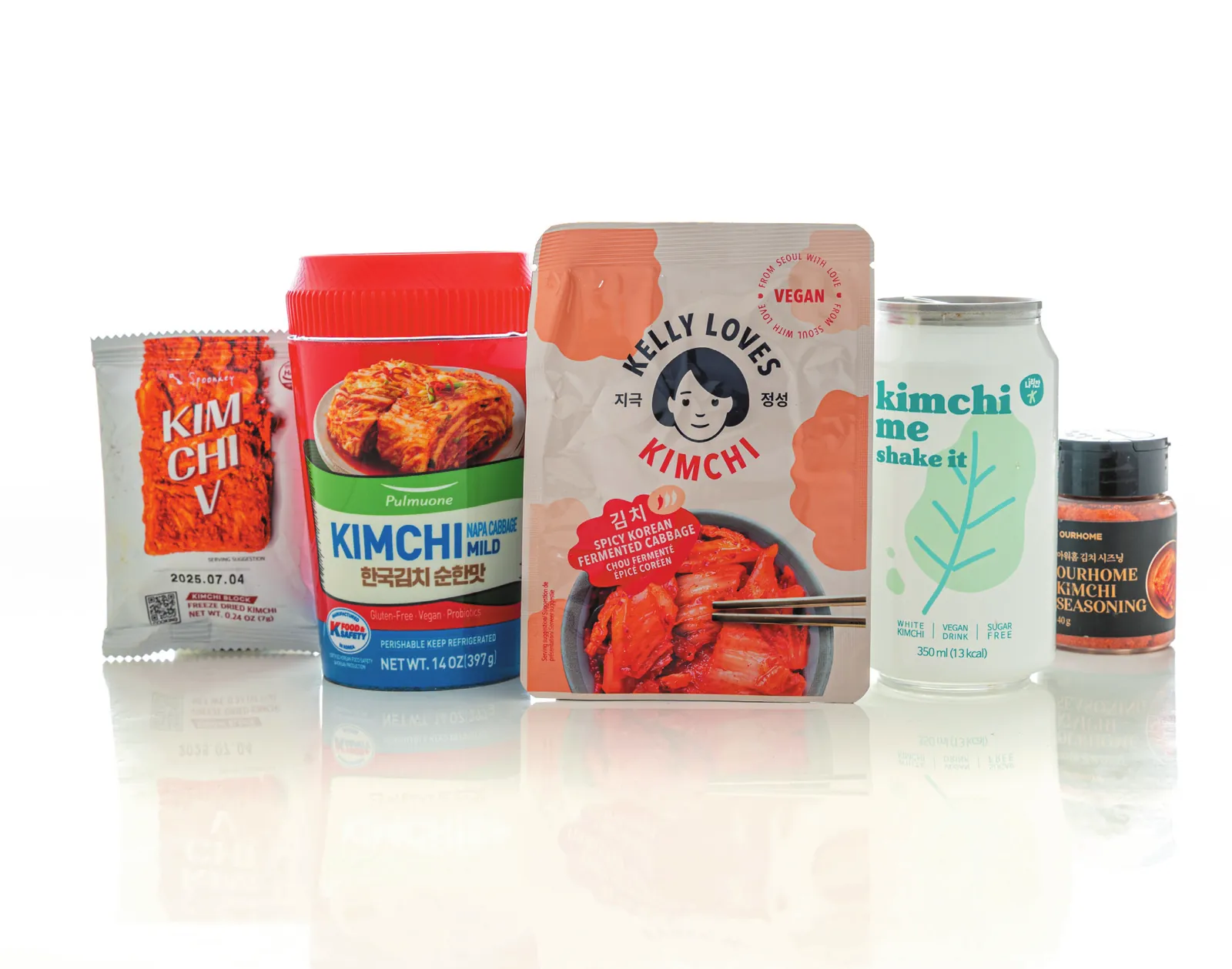
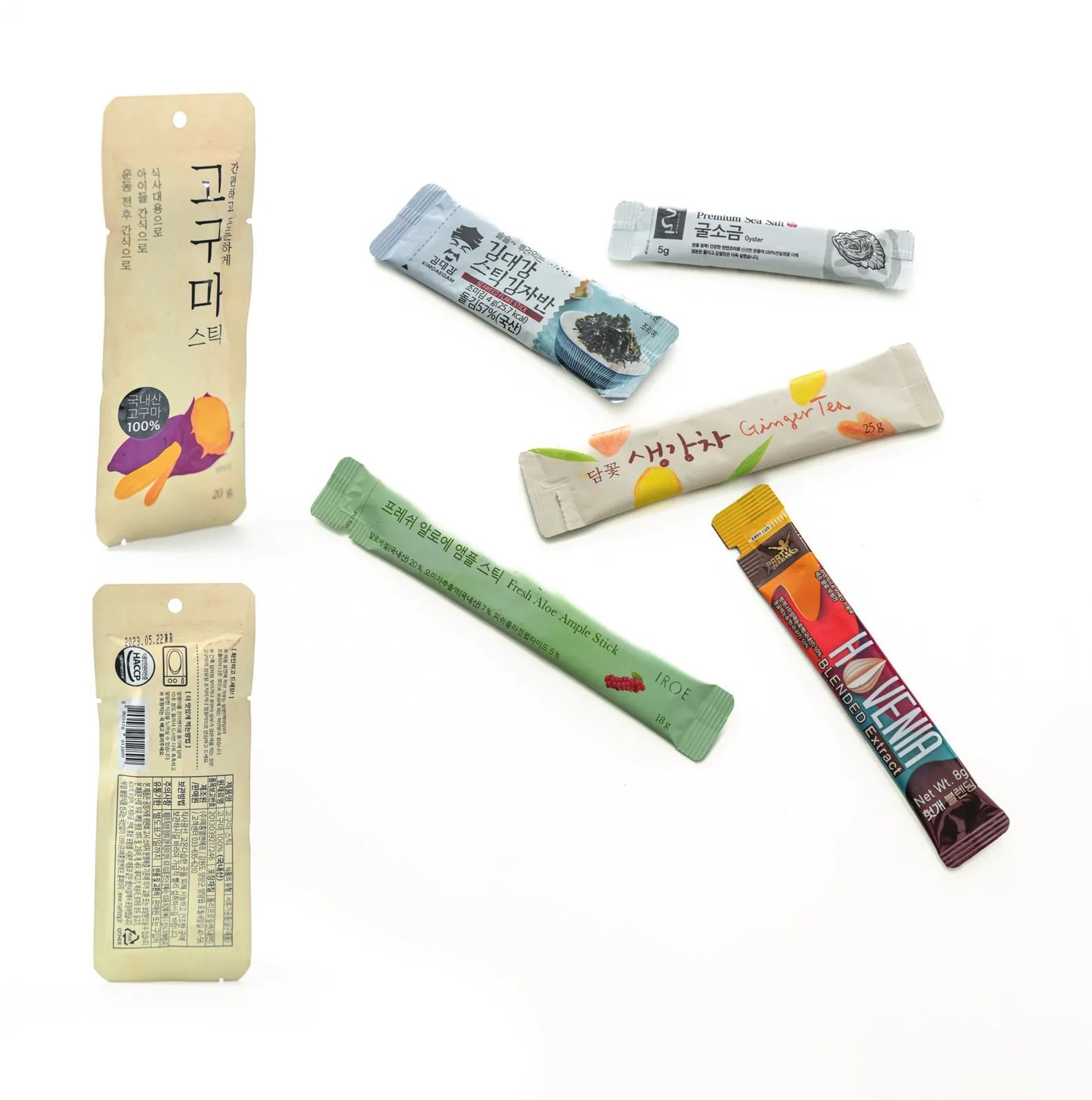
Tteokbokki, made with rice cakes in a spicy sauce, brings Korean street food to the shelf. Kimchi also comes in formats suited to different uses, including liquid, powder and pieces. Single-serve stick packs hold powders, gels and liquids.

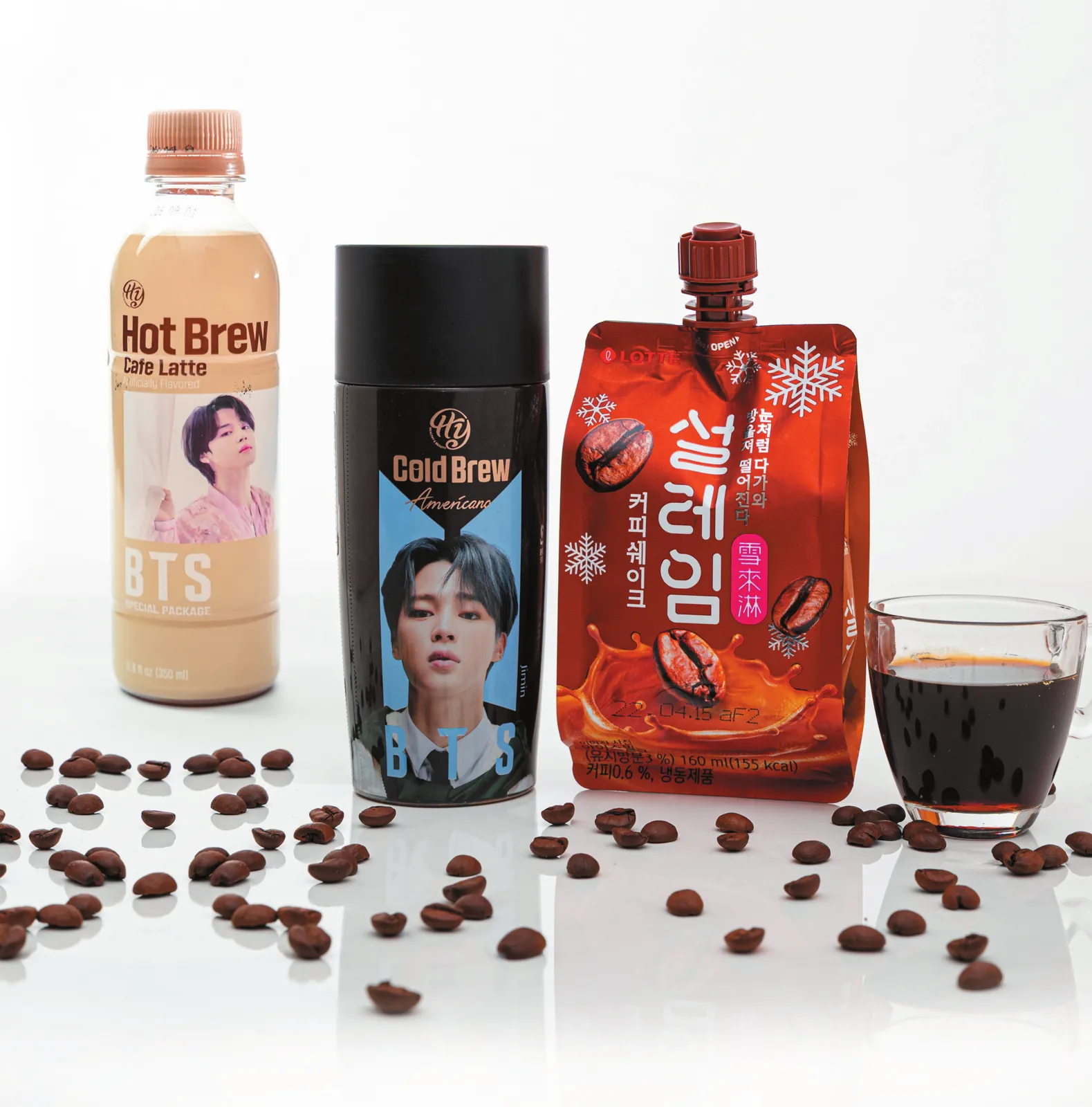
Beverage packaging takes cues from pop culture. Ready-to-drink iced coffees feature members of BTS in collectible designs, while Kakao Friends characters bring a playful touch to packs aimed at children.

South Korea - Embalagens Mundo Afora

Street food

Tteokbokki brings spicy rice cakes to retail shelves.

Kimchi in several forms

Liquid, powder and pieces offer different ways to use it.

Single-serve sticks

The format holds powders, gels and liquids.

BTS coffee packs

Portraits of the group’s members make the packs collectible.

JAPAN 🇯🇵

"From Kobe sake to anime editions"

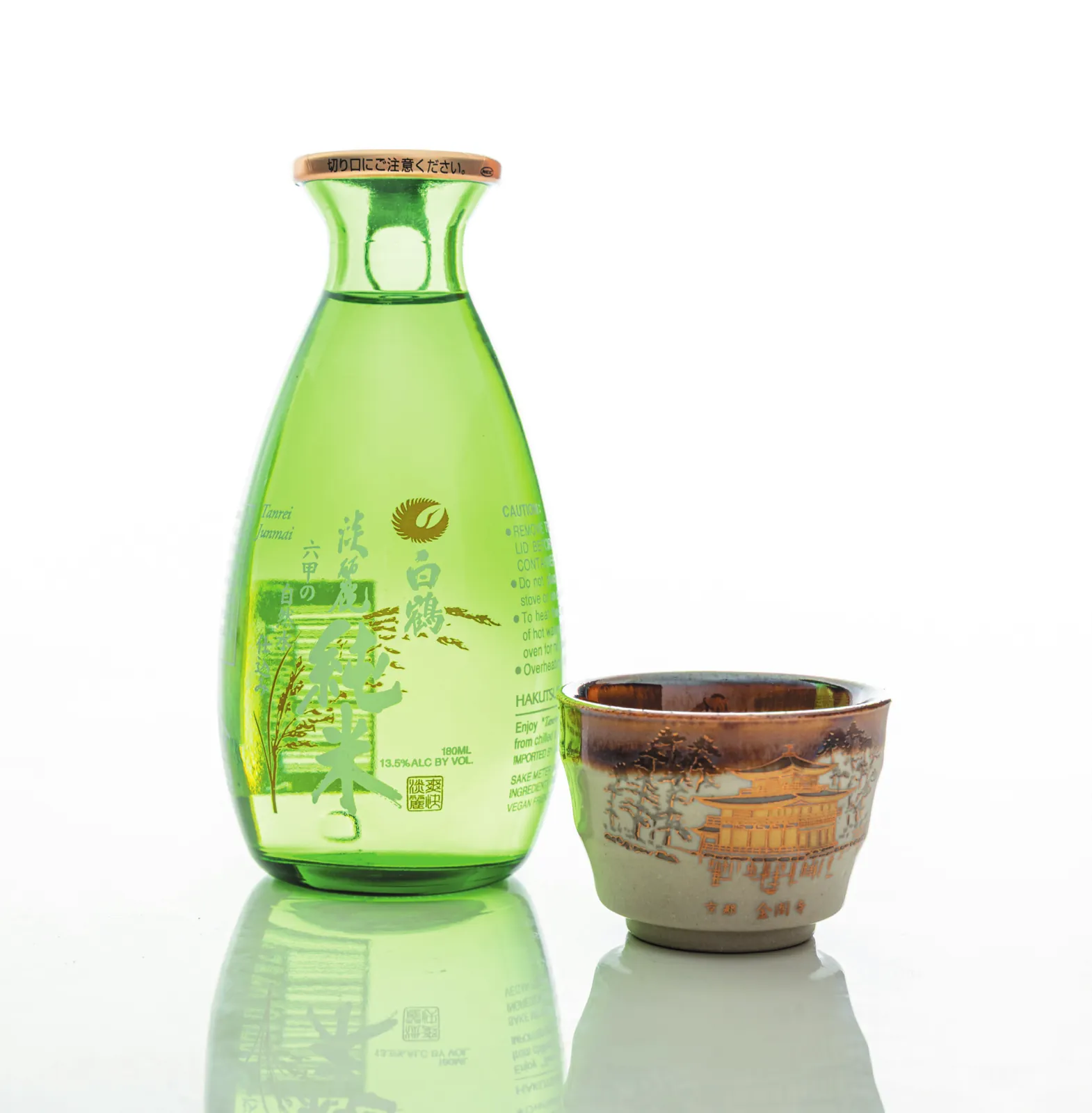
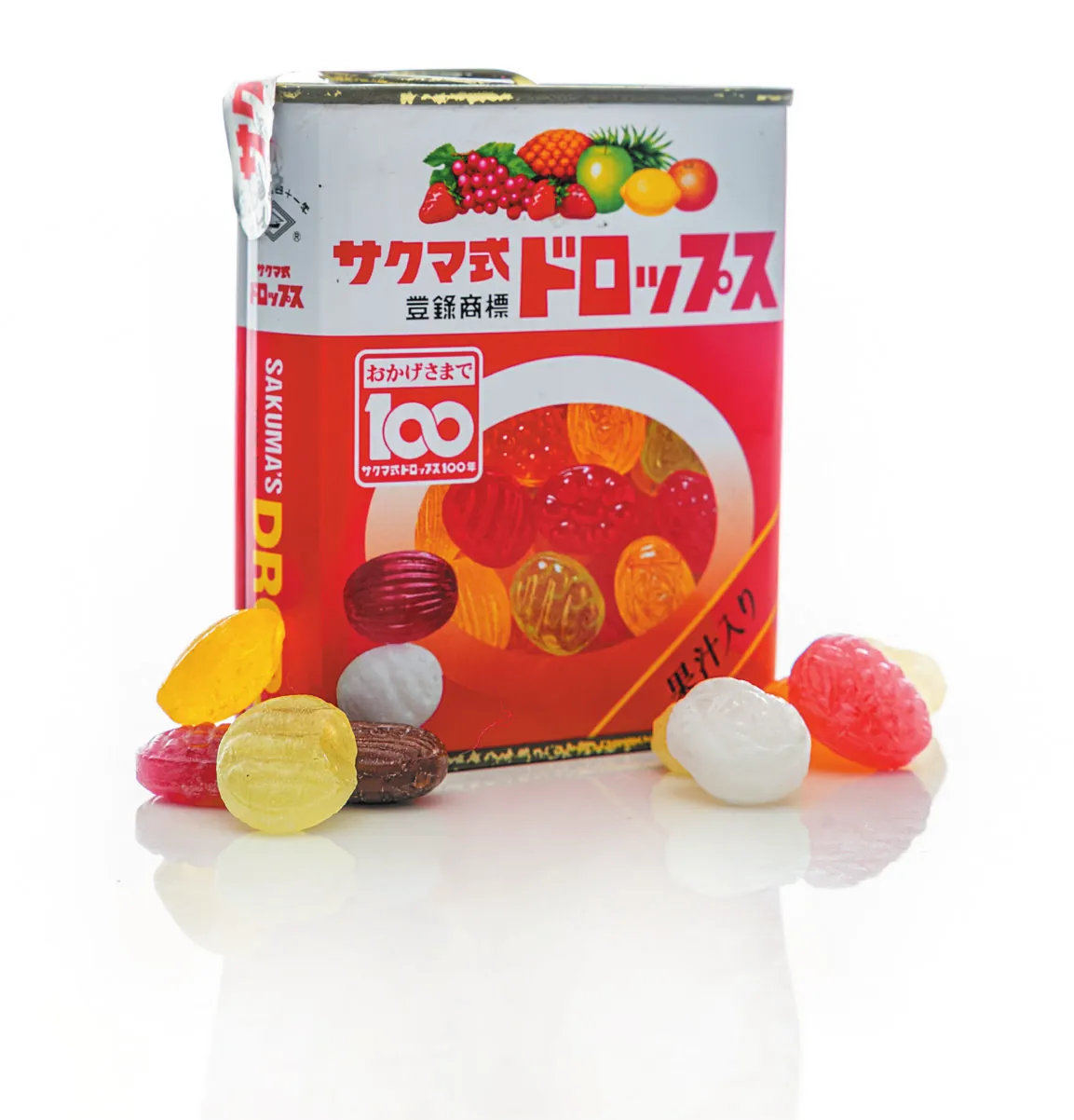
Hanami, the tradition of viewing cherry blossoms, opens a chapter on the ways packaging makes Japanese customs visible. Hakutsuru Tanrei Junmai sake uses Japanese script as part of its bottle design. Sakuma Drops fruit candies come in tins traditionally given as gifts.

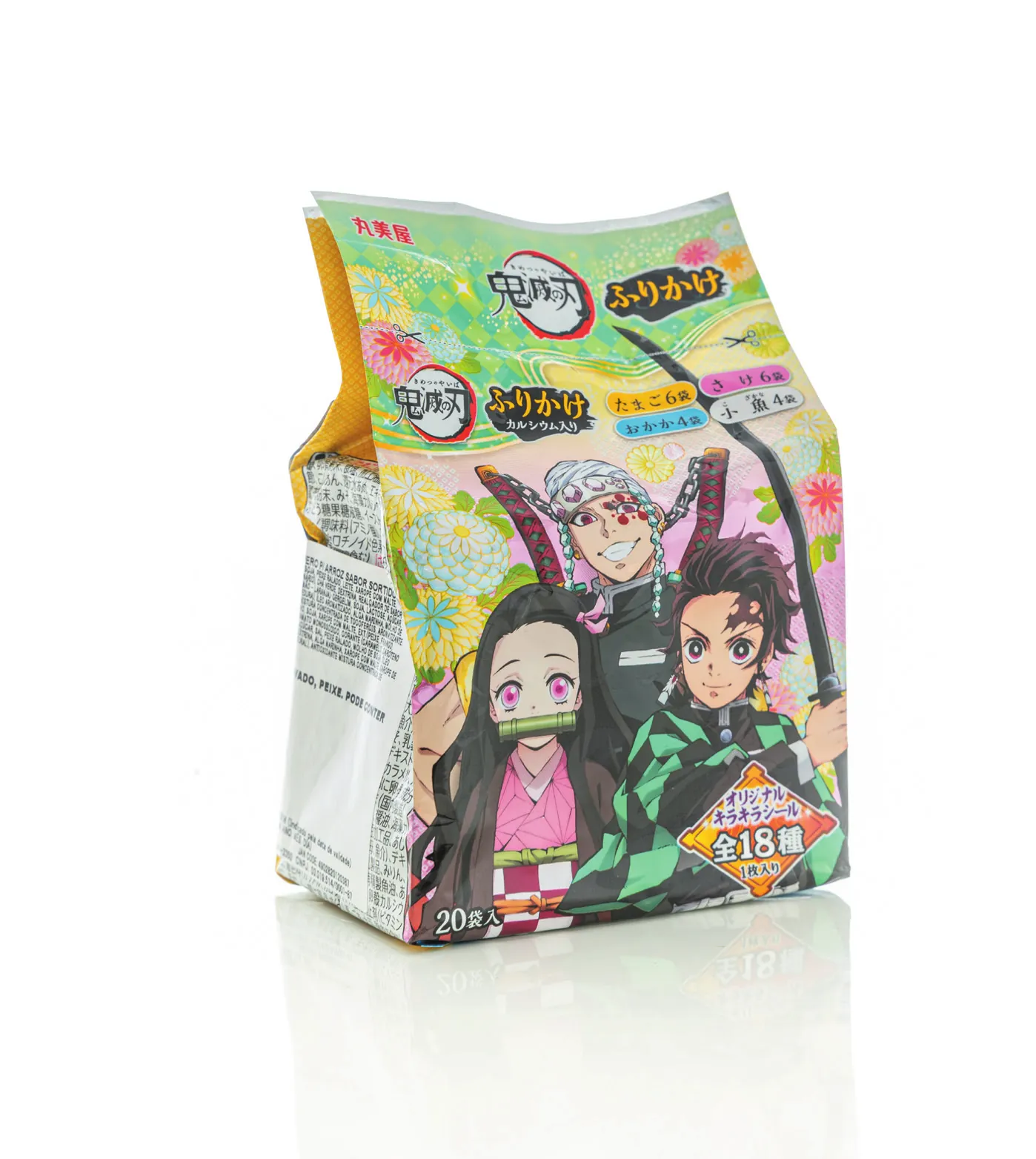
A Demon Slayer edition of furikake brings anime characters to an everyday rice seasoning. The Inaniwa udon pack, meanwhile, presents a handcrafted noodle from Akita.

Japan - Embalagens Mundo Afora

Kobe sake

The Hakutsuru bottle uses Japanese script to evoke the tradition of sake making.

Furikake and anime

Demon Slayer characters appear on a special edition of the seasoning.

Akita udon

Inaniwa udon preserves a traditional handmade technique.

Sakuma Drops tins

Fruit candies come in tins associated with gift giving.

MALAYSIA 🇲🇾

"From traditional kopi to multilingual packs"

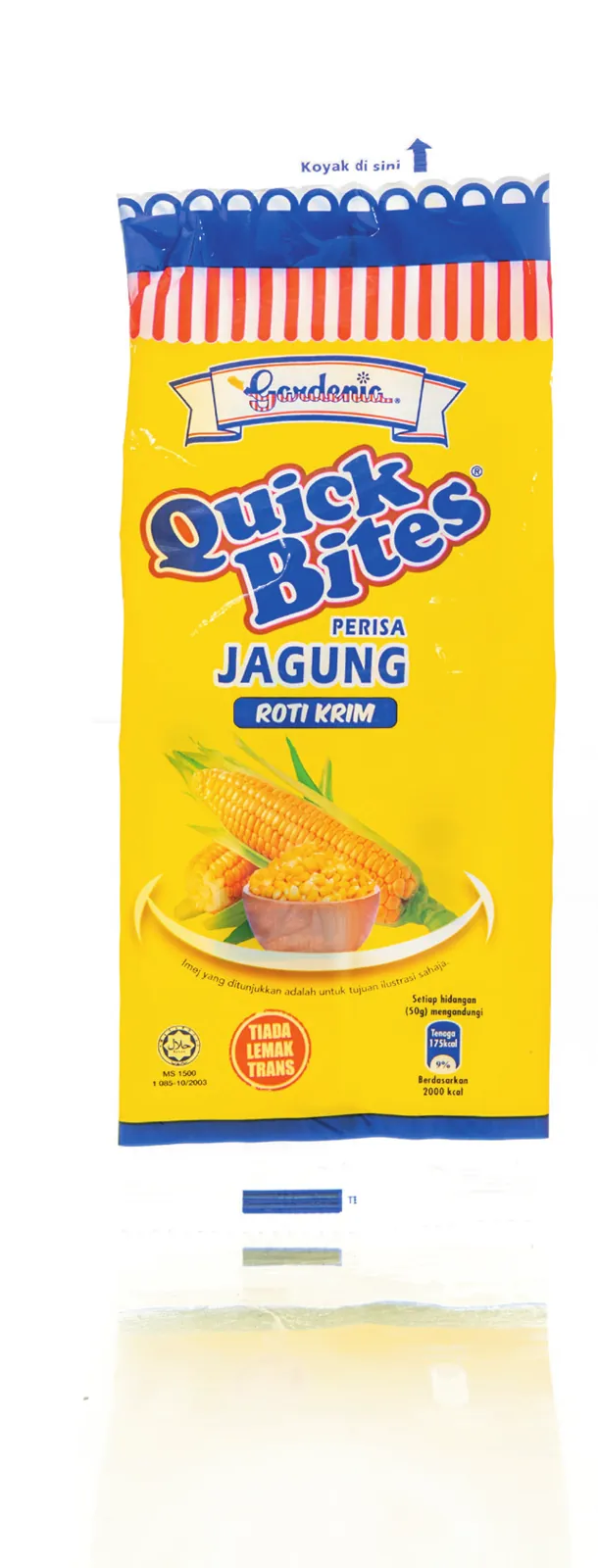
In Malaysia, nasi lemak made with coconut rice and the many versions of laksa reflect a cuisine shaped by different communities. That diversity reaches the shelf through packaging that may use two or more languages to serve different audiences.

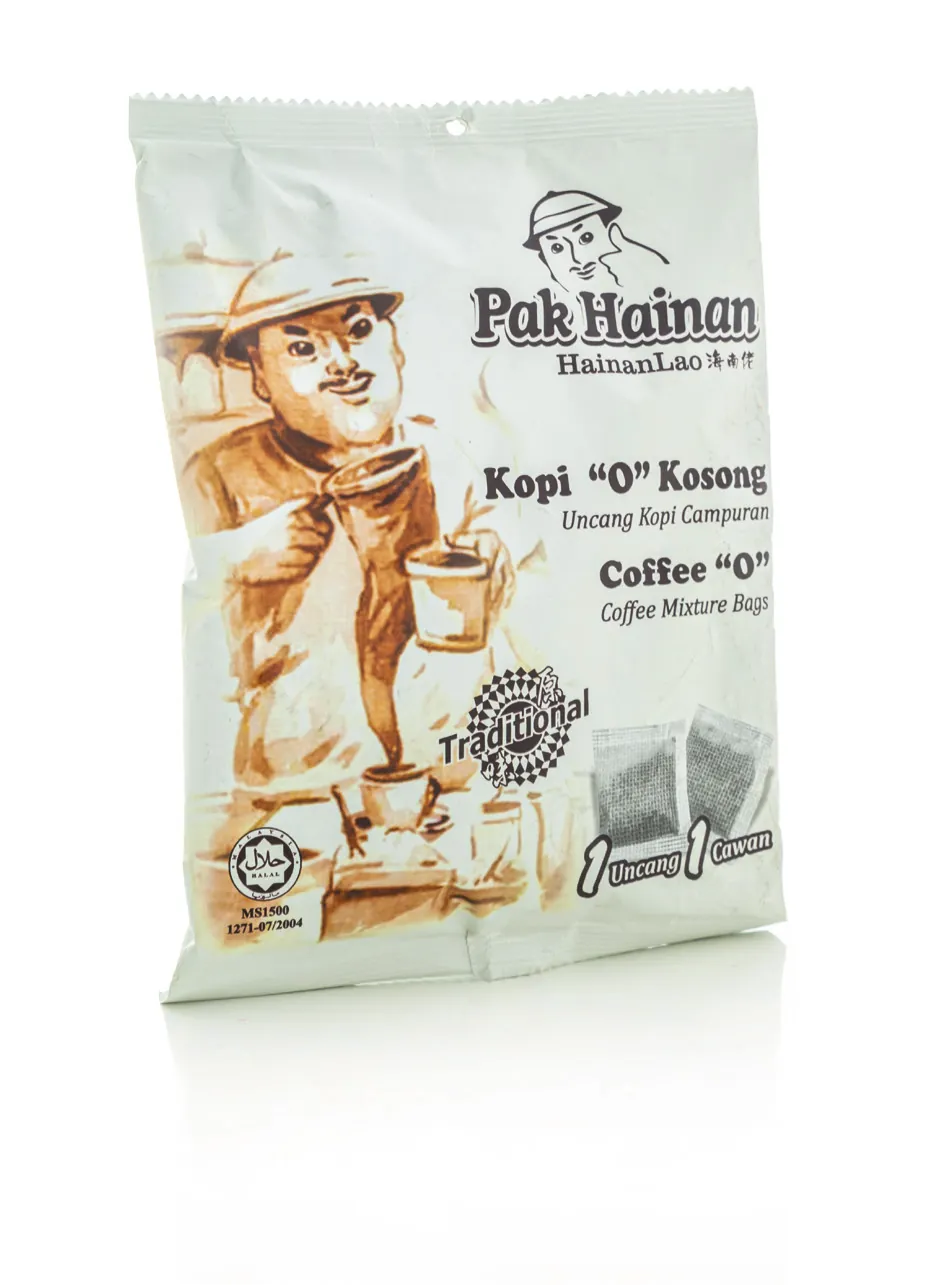
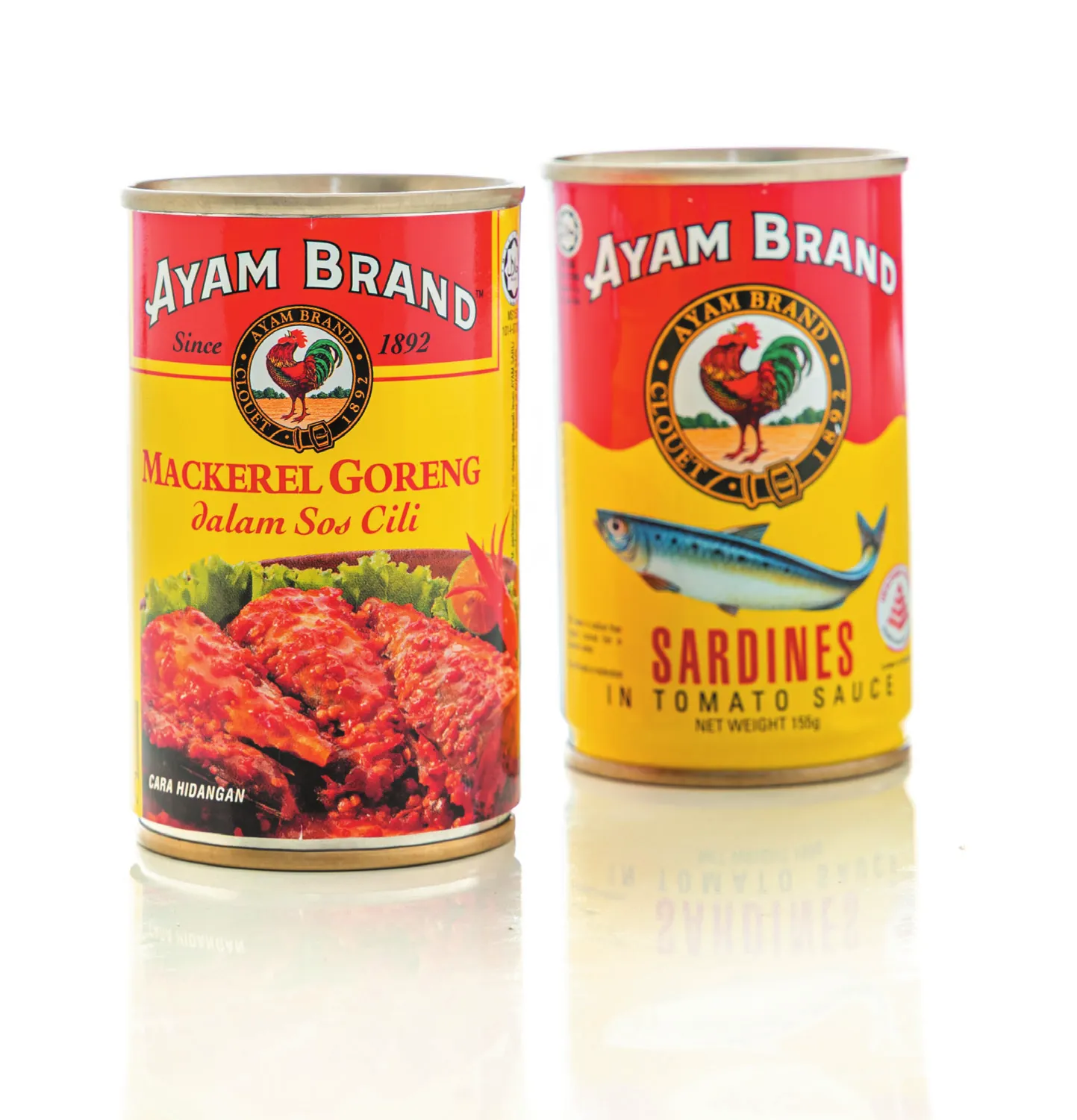
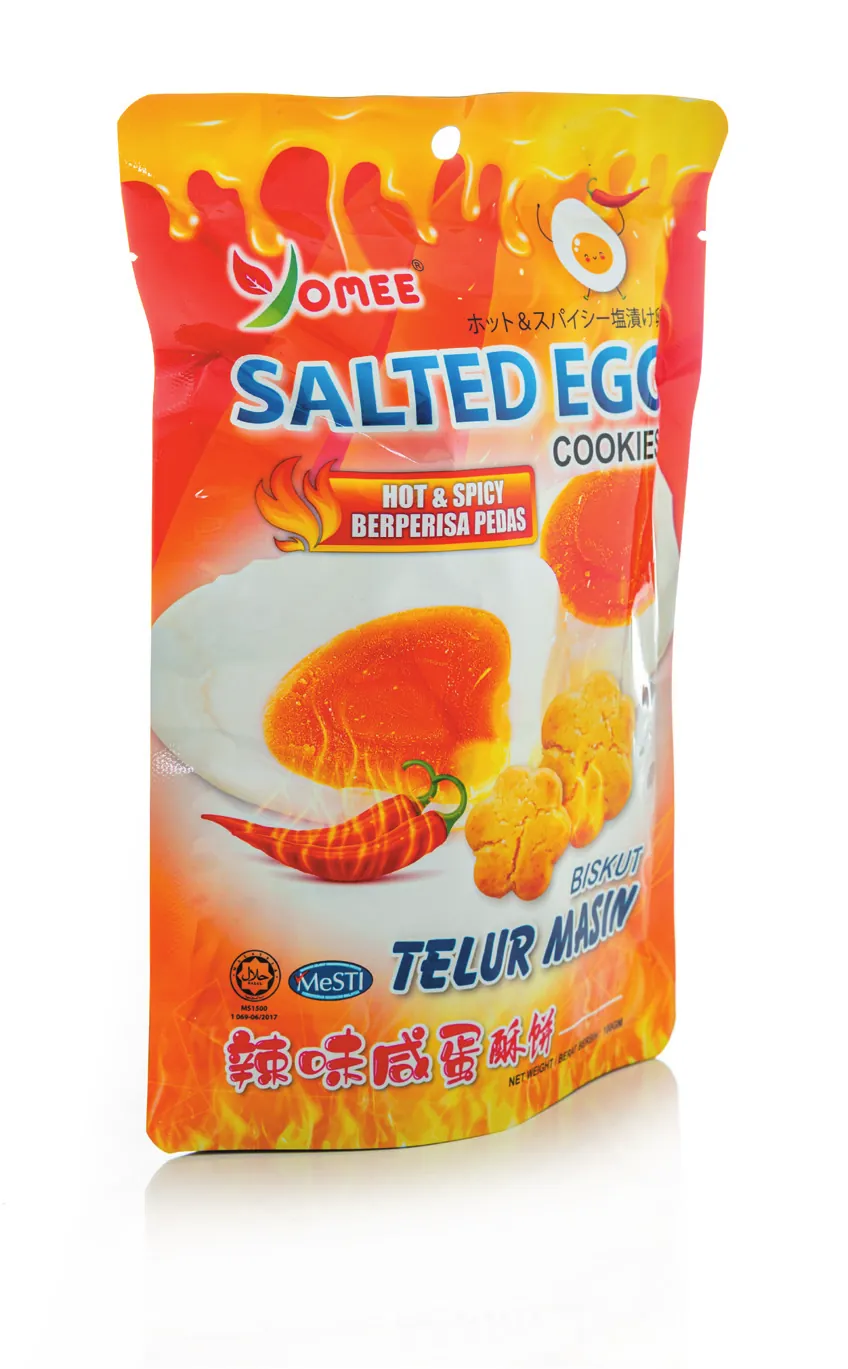
Among everyday products, the ritual of drinking kopi inspires coffee packaging. Ayam Brand offers fried mackerel in chili sauce, while salted egg and chili crackers bring a familiar flavor combination to snack packs.

Malaysia - Embalagens Mundo Afora

Multiple languages

Multilingual packs speak to different communities.

Kopi

The traditional coffee ritual inspires packaging design.

Chili mackerel

Ayam Brand brings a familiar flavor to canned fish.

Salted egg

The ingredient meets chili in a savory cracker.

VIETNAM 🇻🇳

"From Hội An’s lanterns to Mekong Delta cacao"

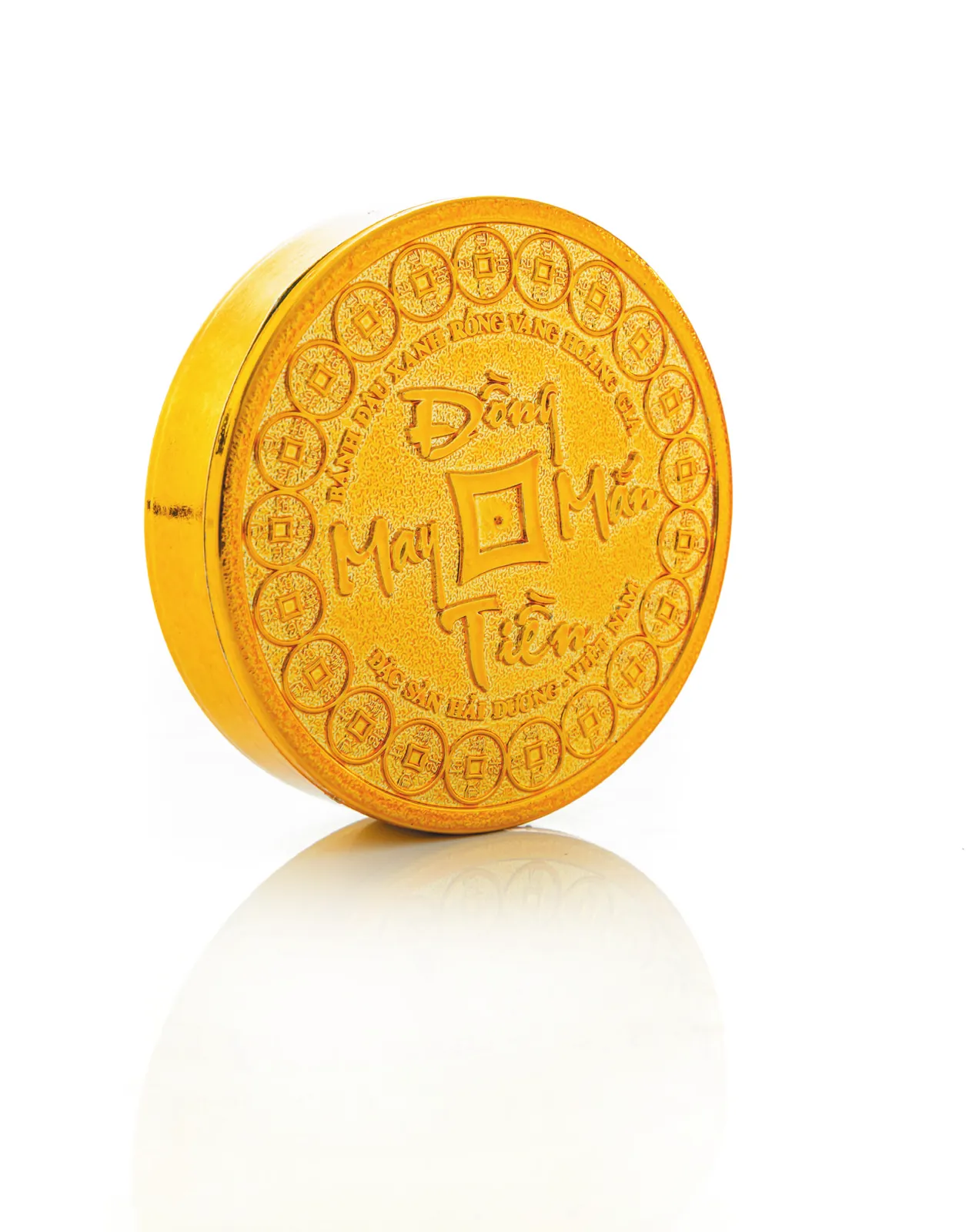
During the Moon Festival, lanterns and sweets accompany family gatherings. For other occasions, including weddings, mung bean cake is presented in a distinctive gold, coin-shaped pack.

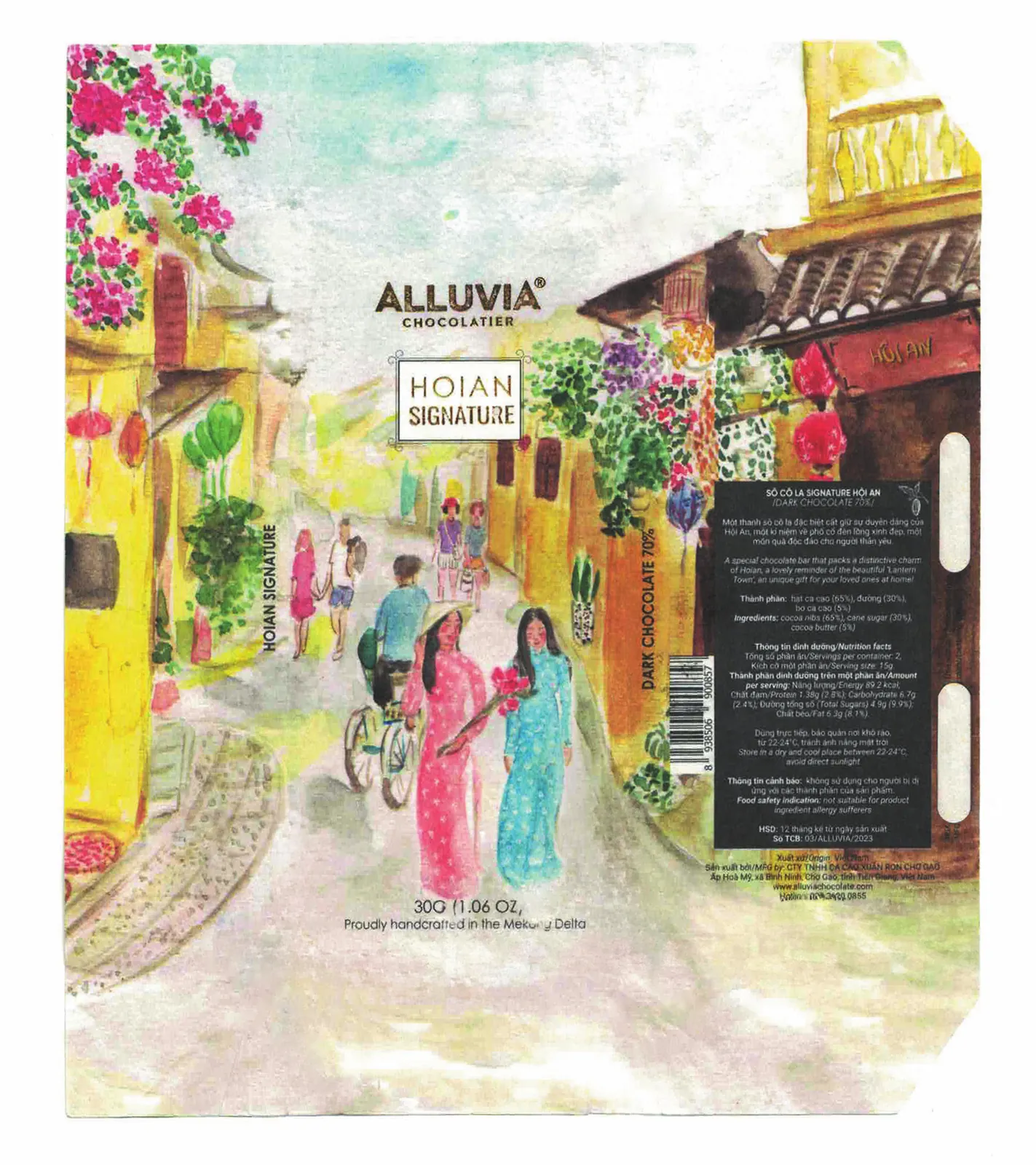
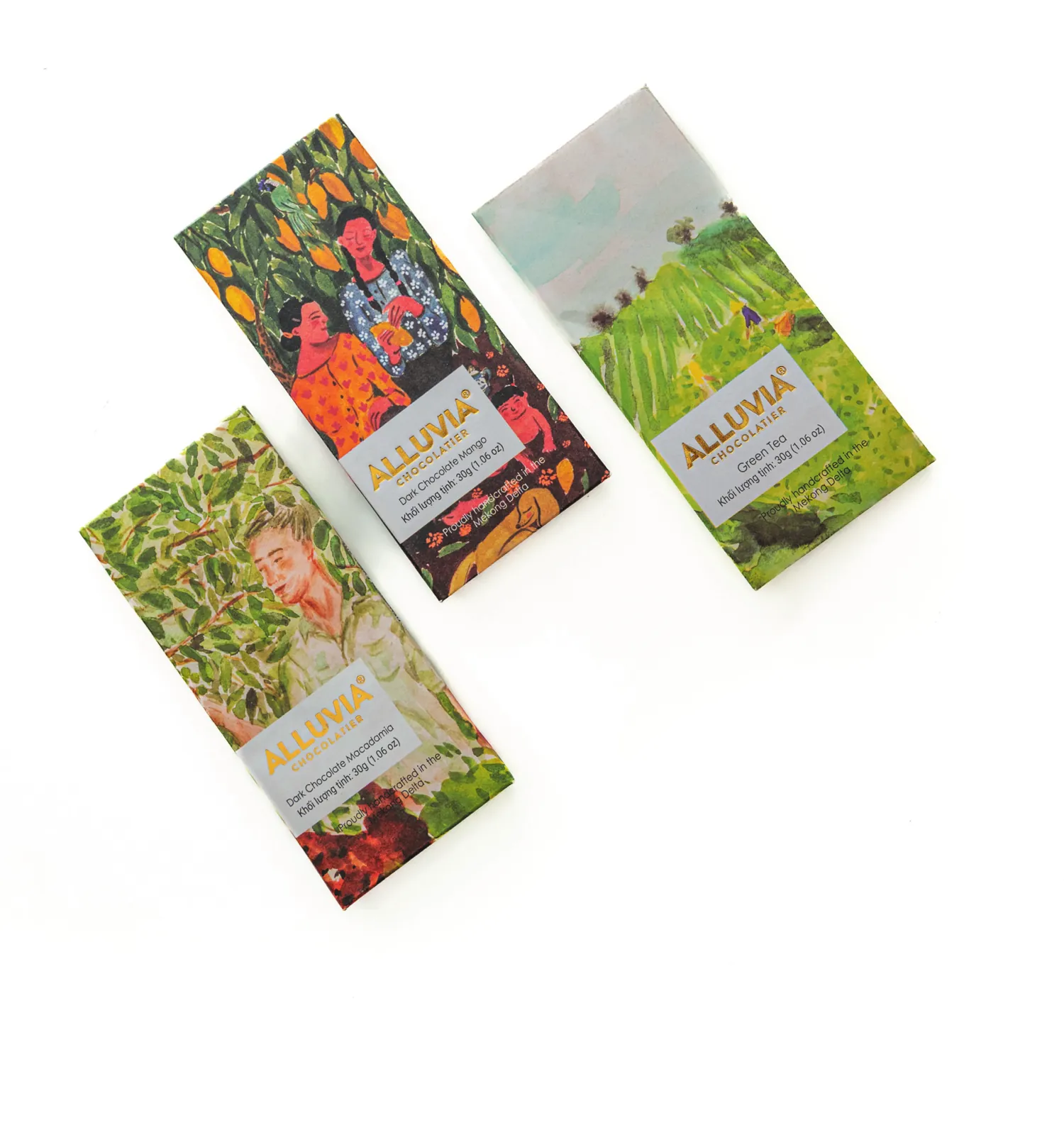
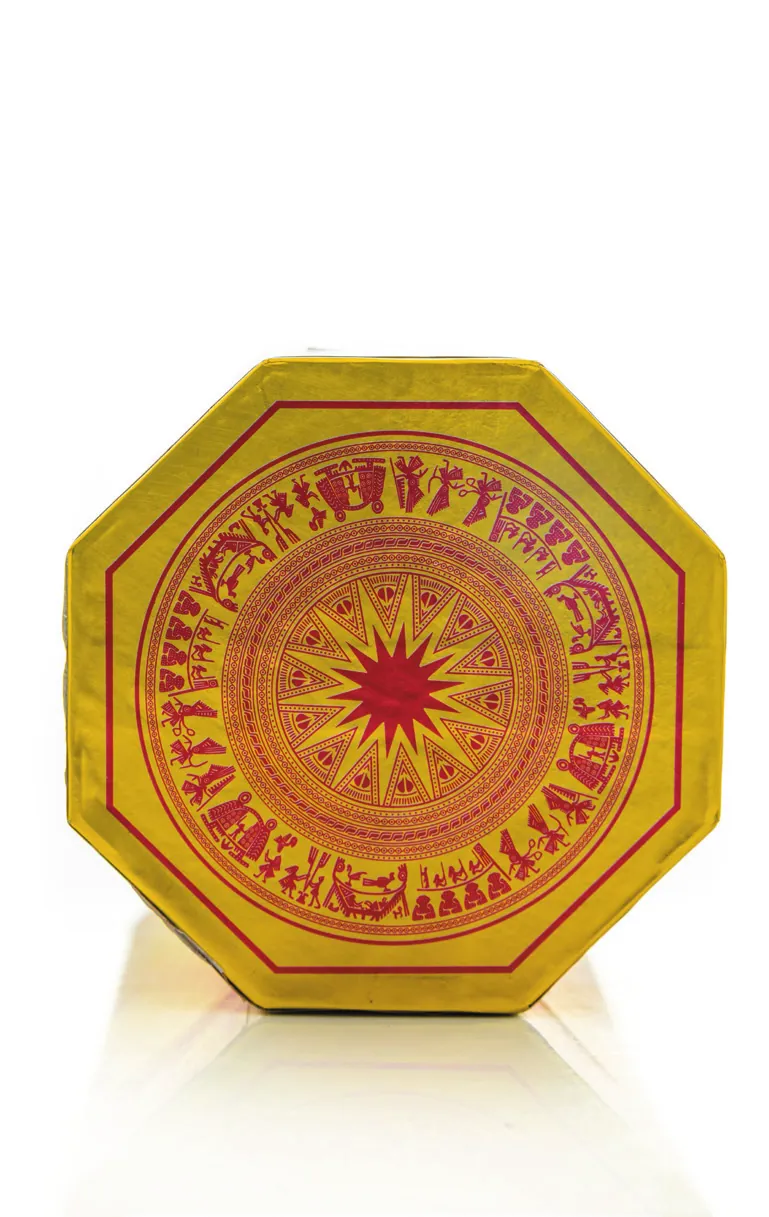
Hoian Signature chocolate pays tribute to lantern-filled Hội An, while Alluvia highlights cacao from the Mekong Delta. Tea packaging helps shoppers tell products apart: Oolong comes in an octagonal paperboard pack, and Trà Đại Gia uses an extended tab to identify its varieties.

Vietnam - Embalagens Mundo Afora

Hội An in chocolate

Hoian Signature pays tribute to the city of lanterns.

Mekong cacao

Alluvia showcases the terroir of the Vietnamese delta.

Tea packaging

An octagonal pack and an extended tab distinguish different offerings.

A cake for gifting

A gold, coin-shaped pack marks special occasions.

SINGAPORE 🇸🇬

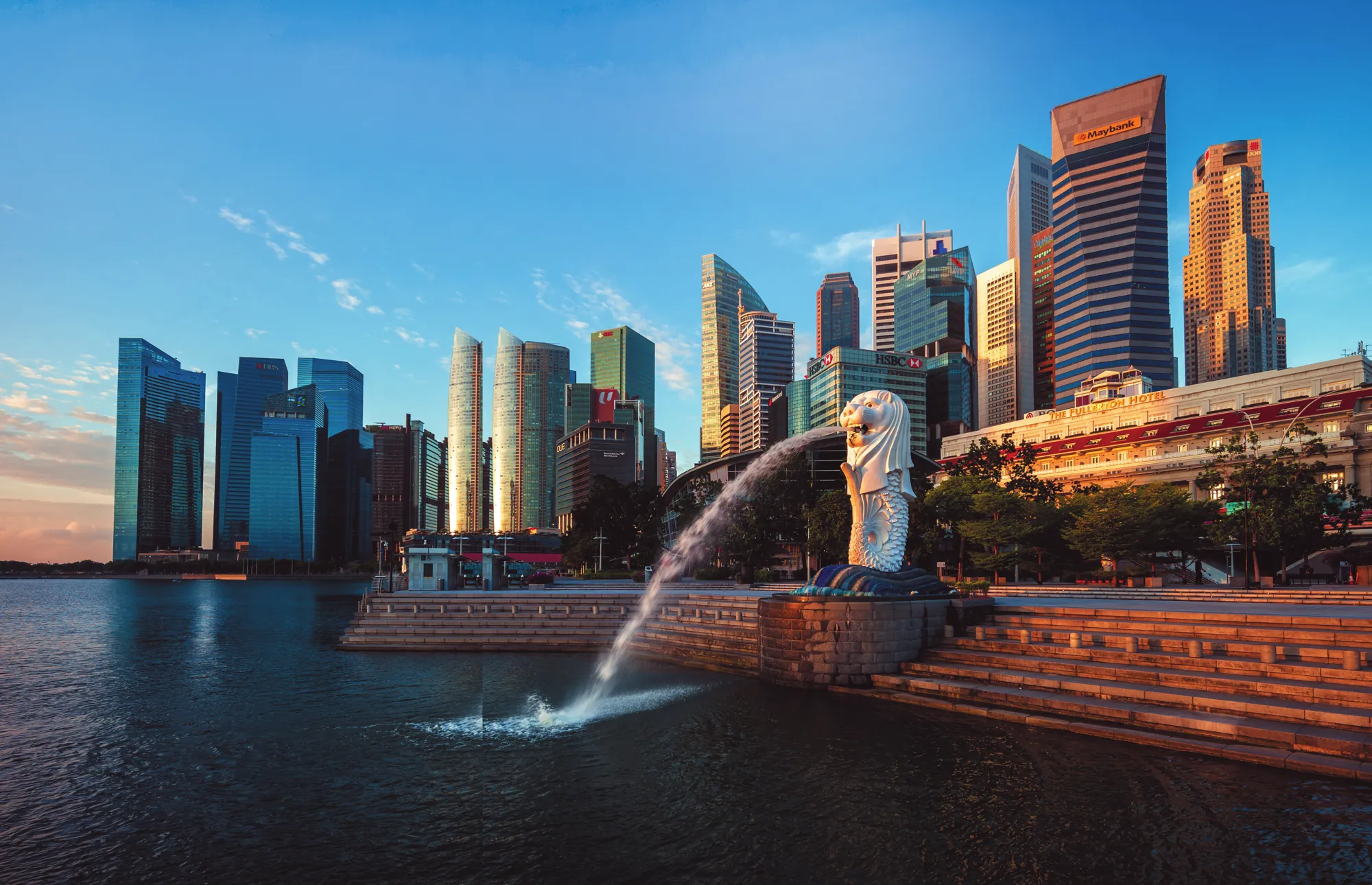
"From hawker centre tables to store shelves"

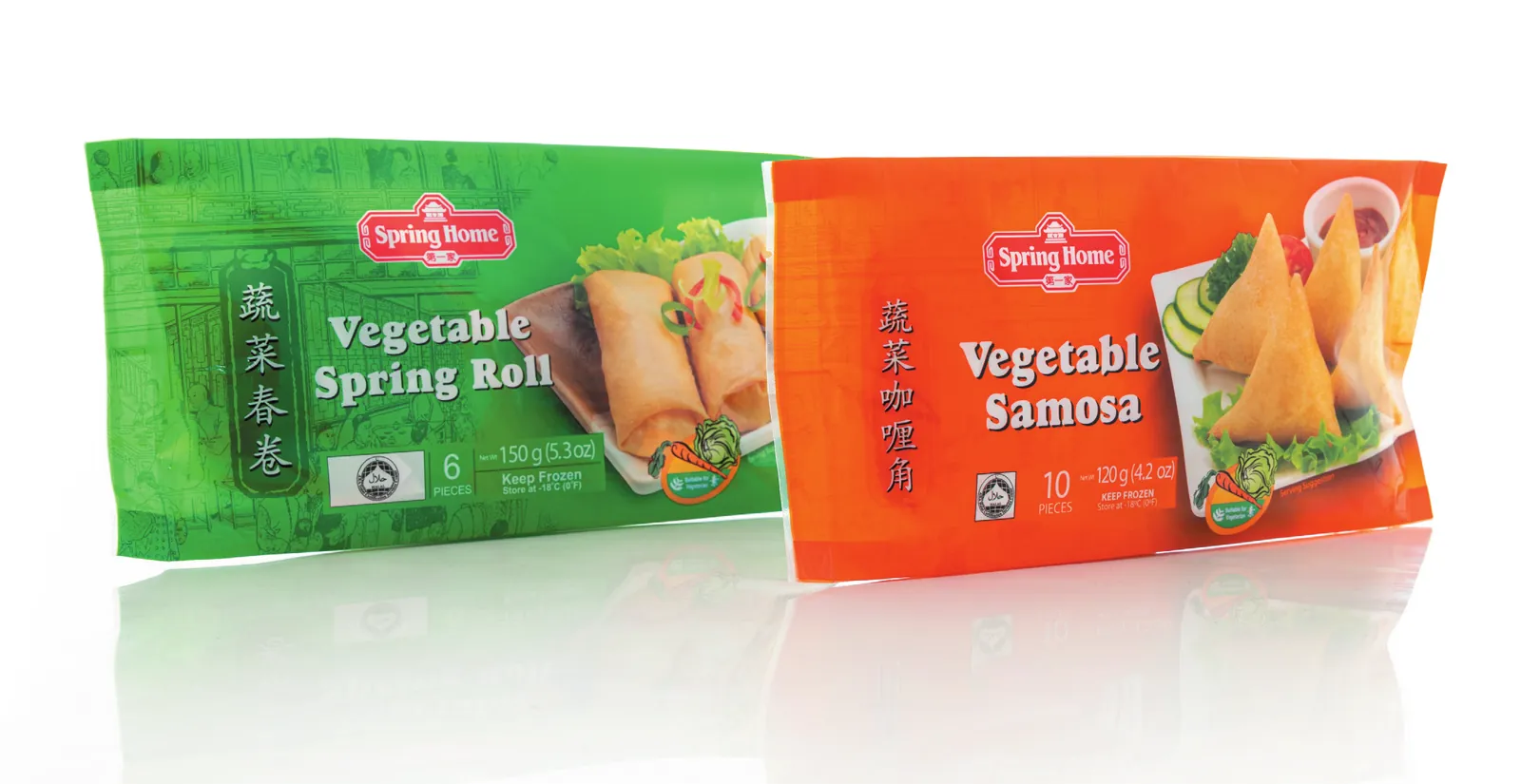
In Singapore’s hawker centres, Chinese, Malay and Indian recipes share the same space. Packaging reflects that diversity too. Spring Home’s vegetable spring rolls and samosas carry a Halal mark, helping shoppers identify products that meet their dietary practices.

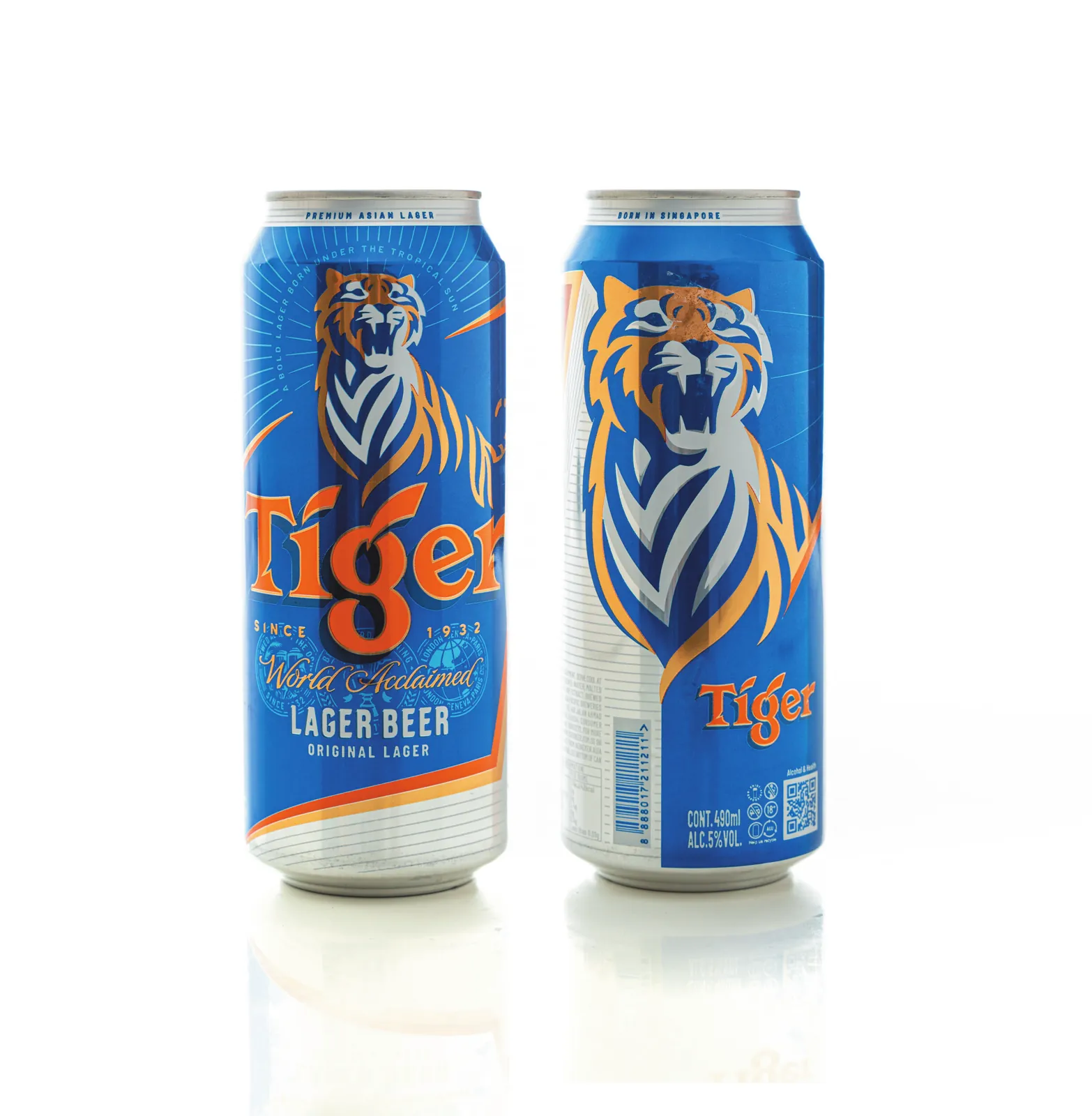
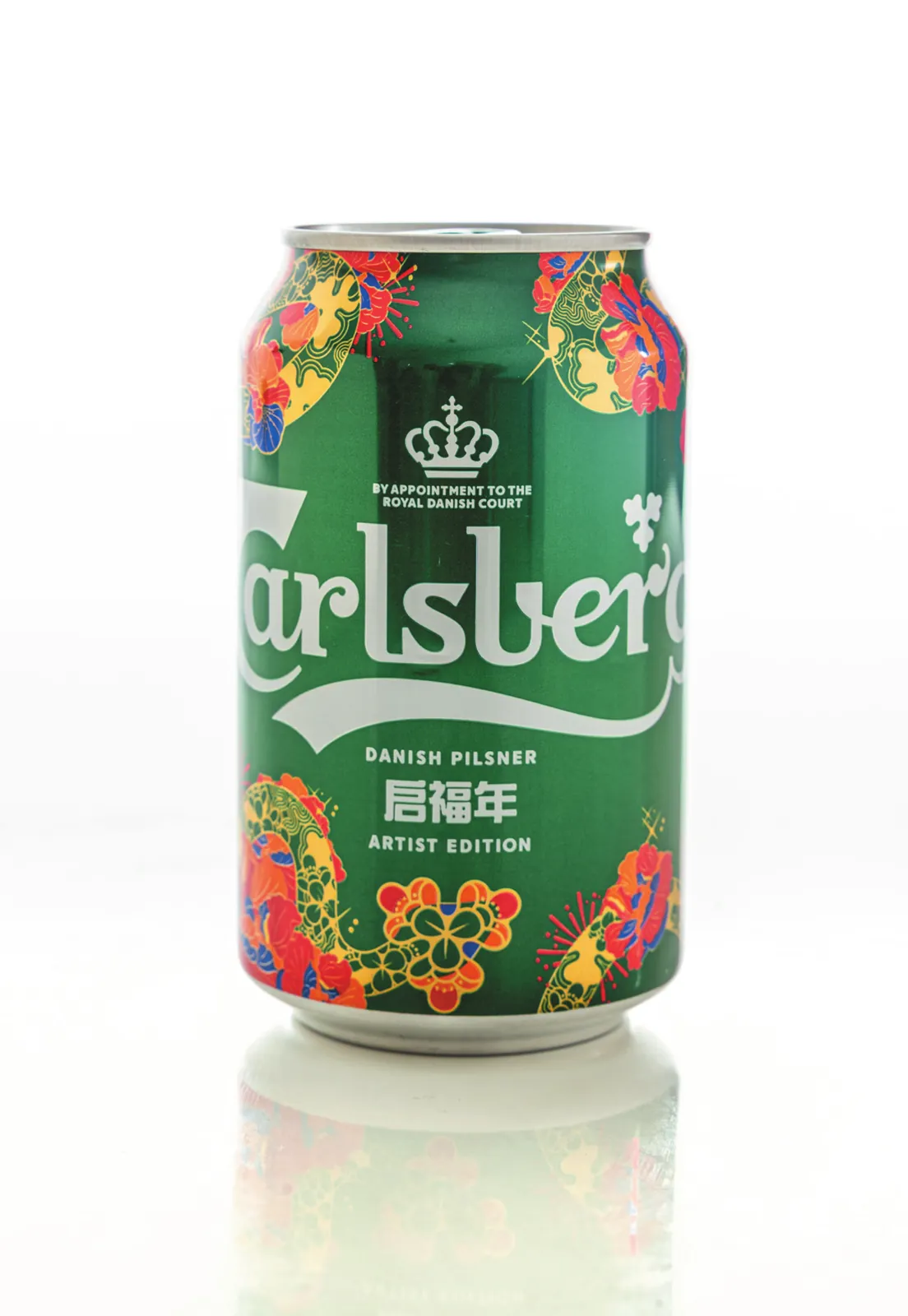
Tiger beer offers a homegrown example of visual identity. Locally produced Carlsberg, meanwhile, featured a dragon on a special edition celebrating Chinese New Year.

Singapore - Embalagens Mundo Afora

Hawker centres

Different culinary traditions come together at the city’s food centres.

Halal mark

Spring Home displays the mark on its spring rolls and samosas.

Tiger beer

Its packaging is an example of homegrown visual identity.

Chinese New Year

A dragon marks a special edition of locally produced Carlsberg.

THAILAND 🇹🇭

"From street stalls to Thai tea"

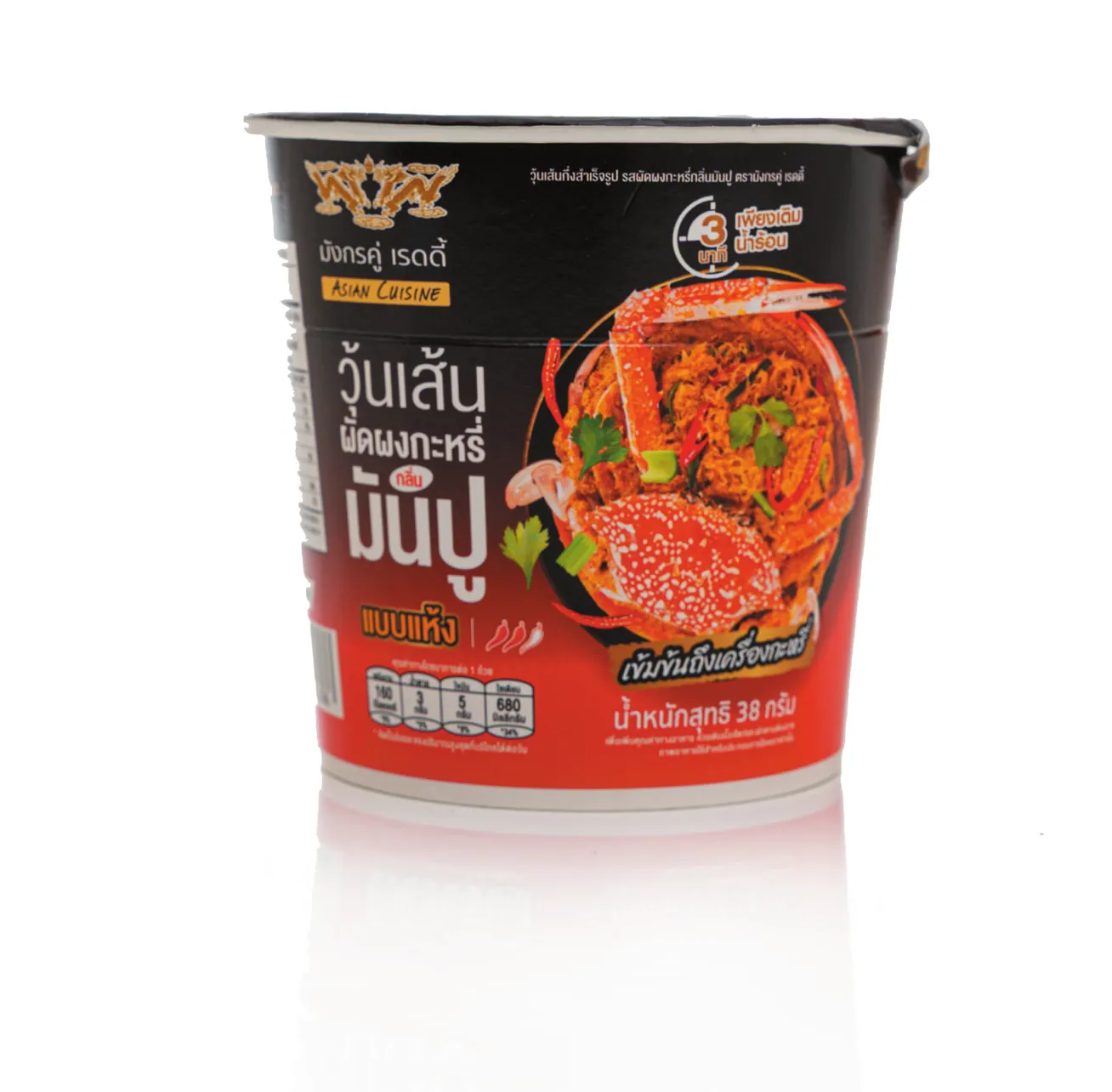
Thai street food balances sweet, salty, spicy and sour flavors. The book looks at how it travels in banana leaves, bags tied with ribbon and takeaway packs that hold saucy meals. In stores, dry instant noodles flavored with curry and crab roe become a ready-to-eat snack.

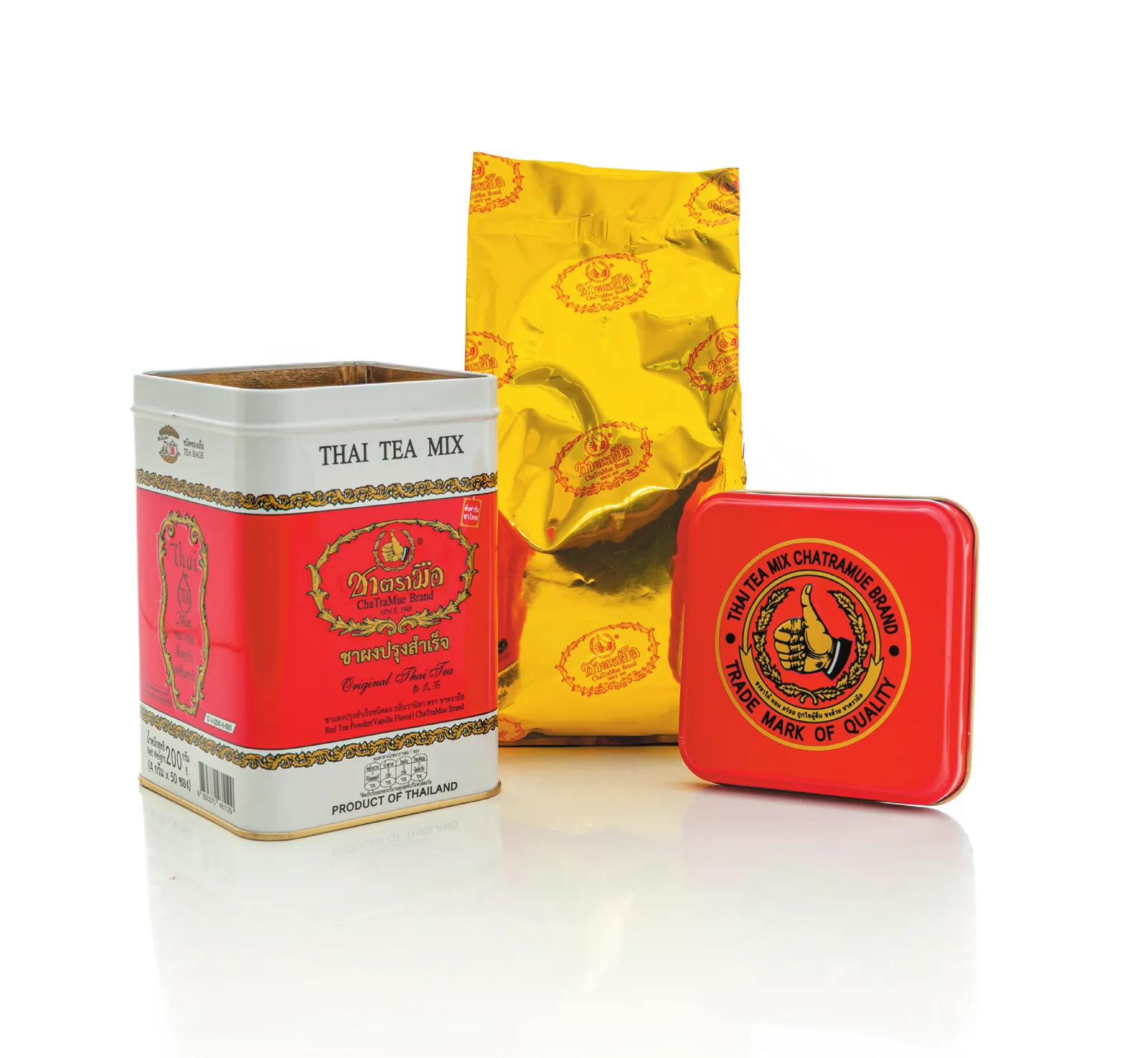
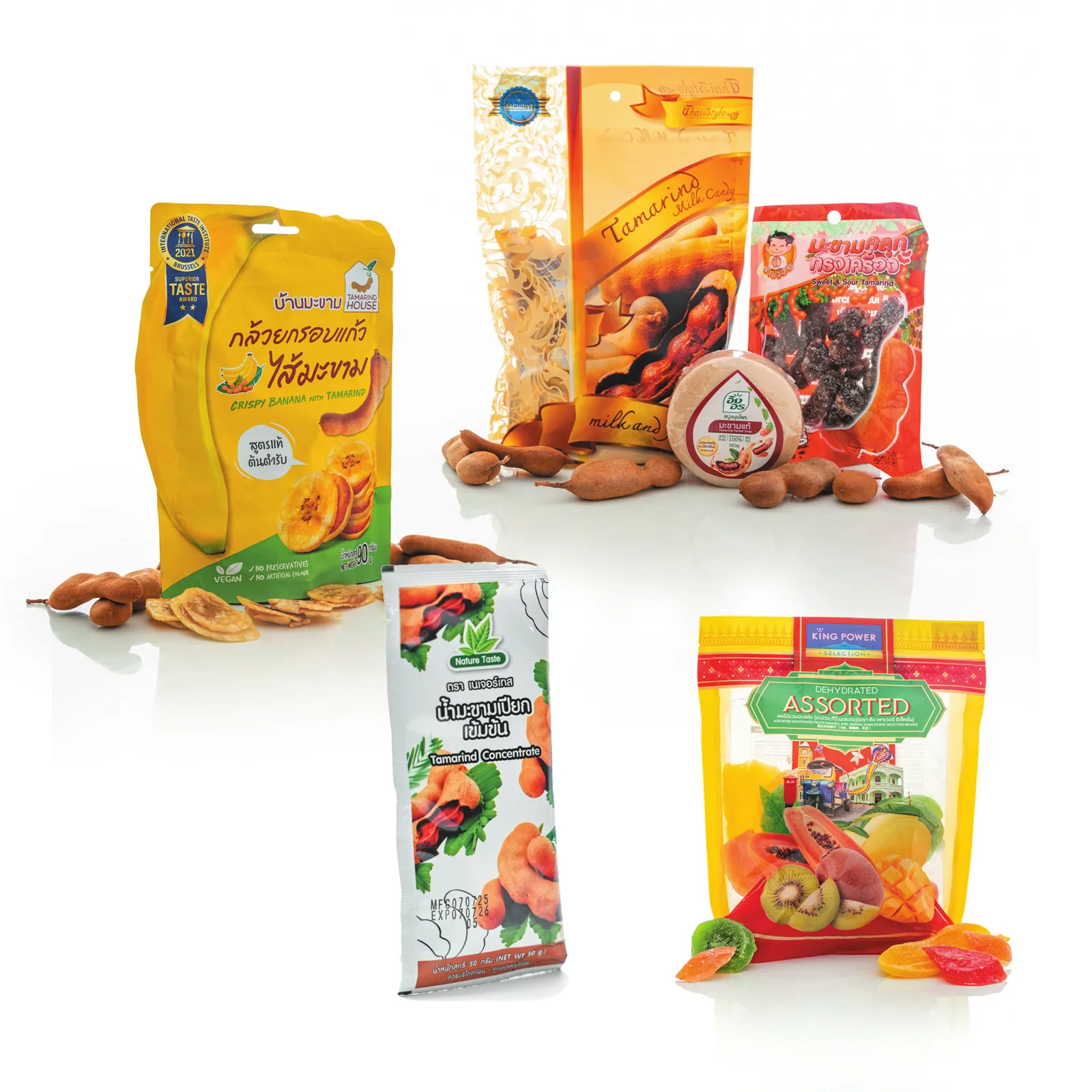
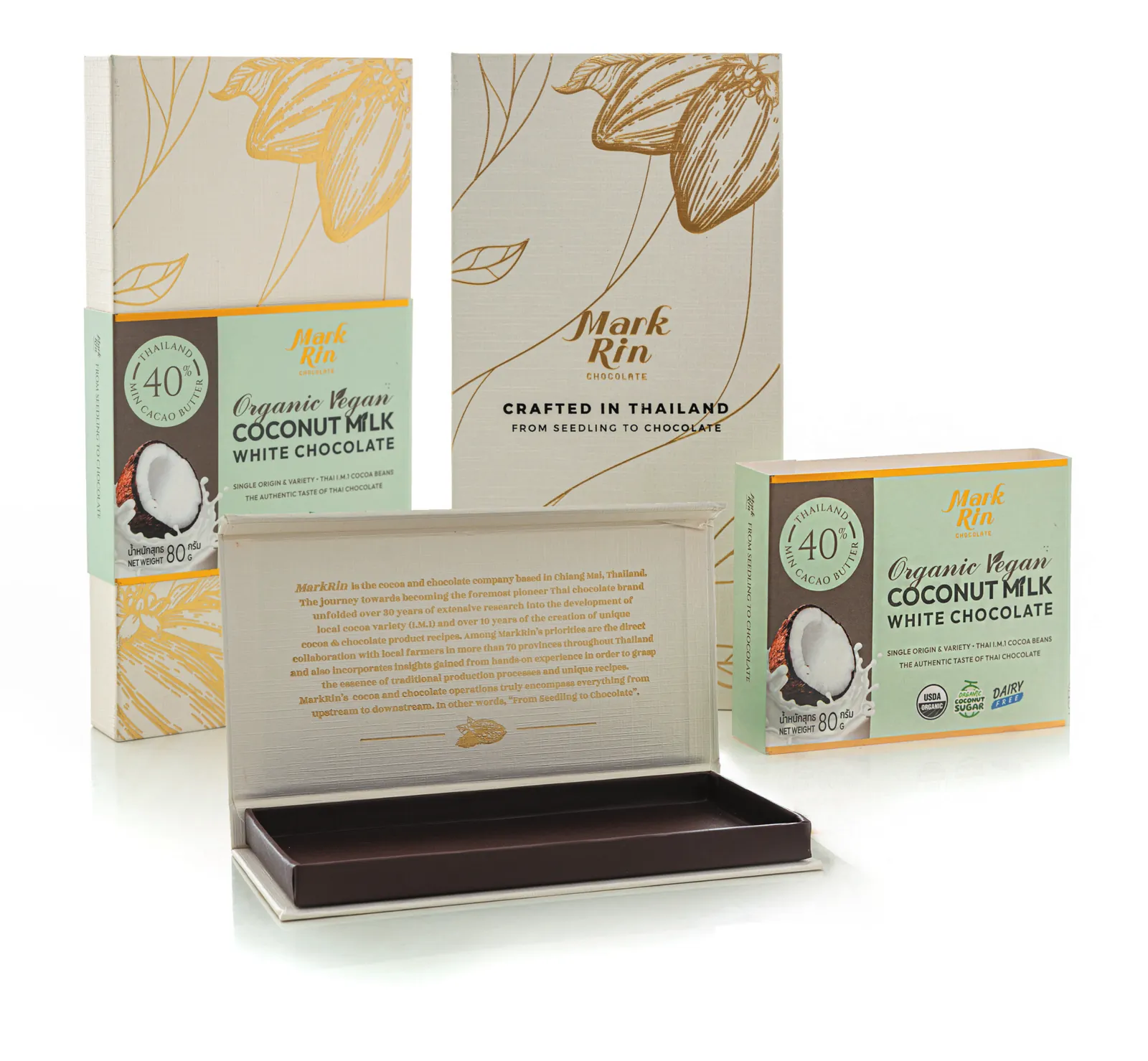
ChaTraMue tea, often served iced with milk, brings another local habit to the shelf. Tamarind milk candy and Thai chocolate add further examples of how regional flavors are presented.

Thailand - Embalagens Mundo Afora

Street food packaging

Banana leaves and ribbon-tied bags suit different ways of serving food.

Noodles as a snack

Curry and crab roe flavor ready-to-eat dry noodles.

Thai tea

ChaTraMue reflects the custom of serving iced tea with milk.

Tamarind and milk

The local candy pairs tamarind’s tang with creamy milk.

Lei Rouanet. Sponsors: Valgroup (50 years), BN Papéis, Grif Rótulos, Igaratiba, Papirus, Embalagens Santa Inês and Irani. Realization: FuturePack Consultoria em Embalagens, Ministry of Culture and Government of Brazil.
Photo of Assunta Napolitano Camilo

AUTHOR

ASSUNTA NAPOLITANO CAMILO

Assunta has over 42 years of experience in the packaging market, with solid expertise in development, strategic planning, and business management at companies such as Cyklop, Amcor, and Tetra Pak, among others.

A mechanical engineer with an MBA in Marketing and a postgraduate degree in Industrial Administration, she is a polyglot, fluent in seven languages.

As an author and international speaker, she is a reference in topics such as packaging, trends, innovations, and sustainability, with more than 600 published articles and over 500 lectures delivered worldwide.

Since 1990, she has participated in the main international events and trade fairs of the sector, such as InterPack, K Show, Emballage, Chinaplas, Tokyo Pack, Anuga, Drupa, Pack Expo, Drinktec, SIAL, among others.

Nationally and internationally awarded, Assunta is the creator and director of the bilingual book collections Better Packaging Better World and Packaging Around the World.

She is also the founder and CEO of the Instituto de Embalagens and the specialized consultancy FuturePack.
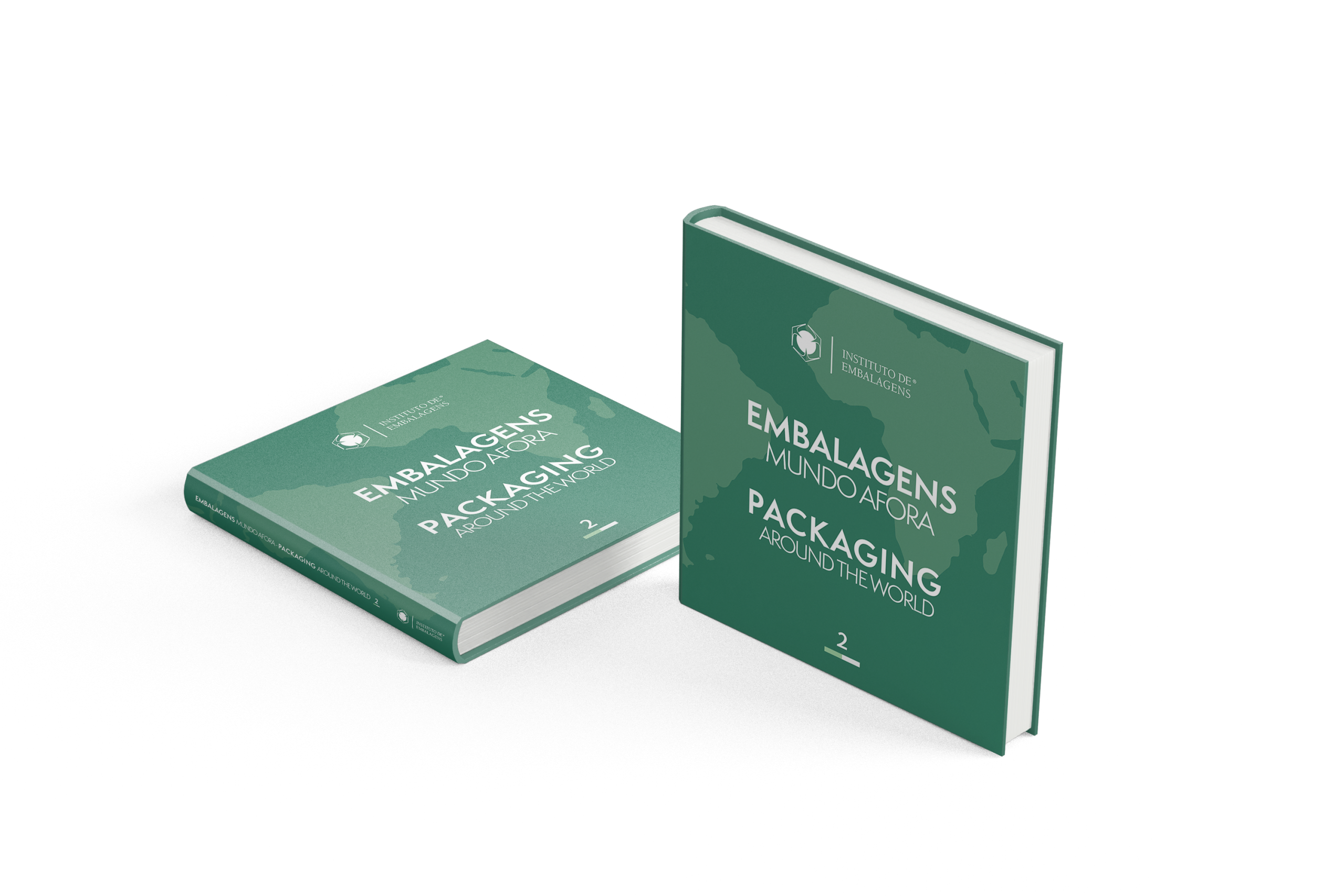
Collection

Packaging Around the World — Volume 2

Explore packaging from Western Europe and Brazil in the second volume of the collection.